
-
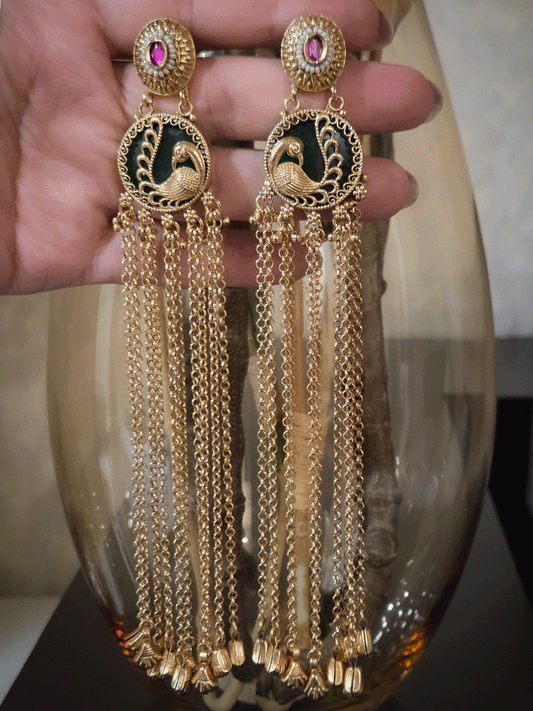
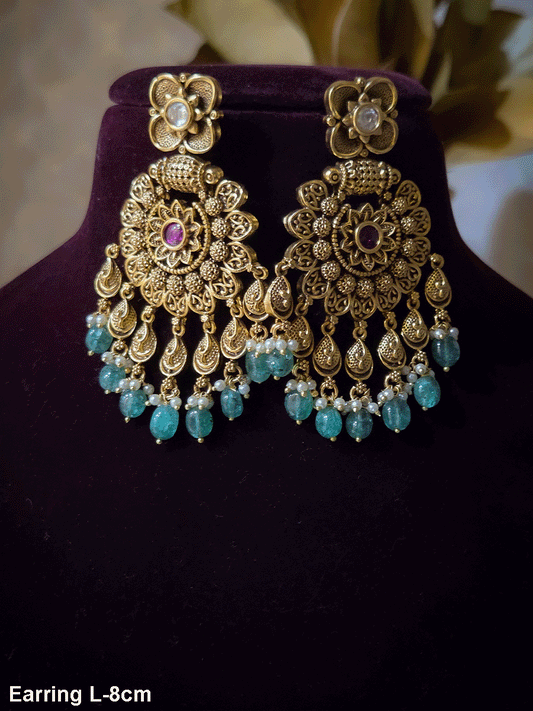
Circular top design with peacock on green stone in middle chain tassels with jhoomki hanging earrings
Regular price Rs. 2,500Regular price -
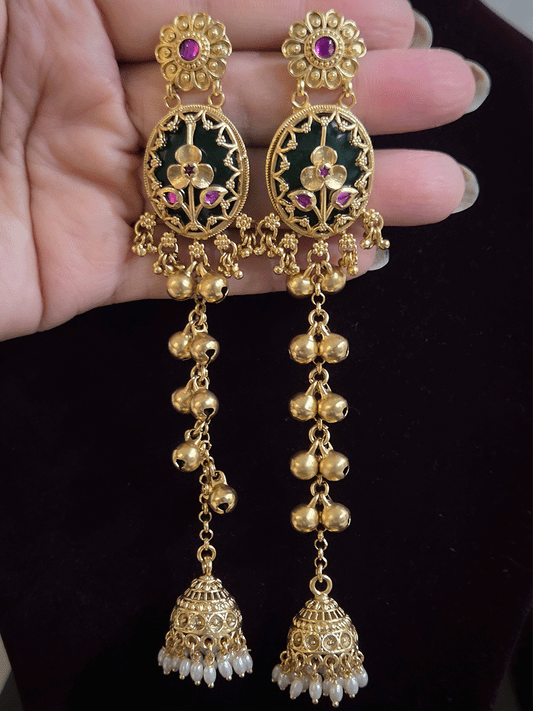
Oval green stone flower design long chain earrings with jhoomki hanging and ghunghru's on chain
Regular price Rs. 2,000Regular price -
Peacock design on green circular stone 17cm long chain tassel earrings
Regular price Rs. 2,500Regular price -
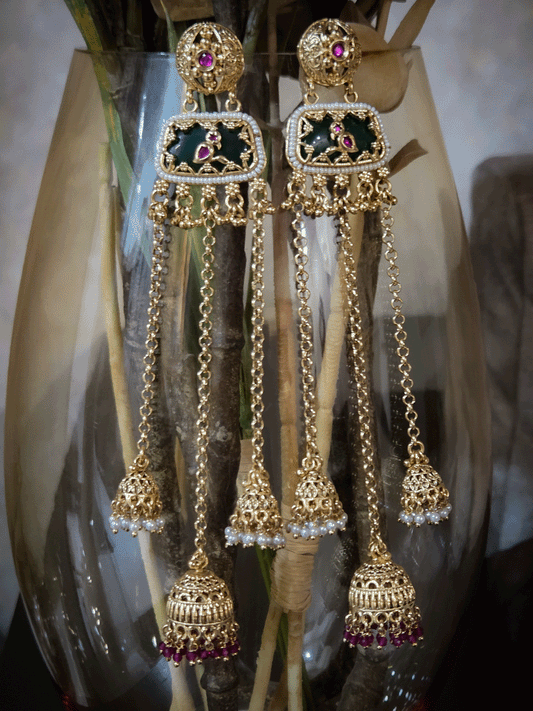
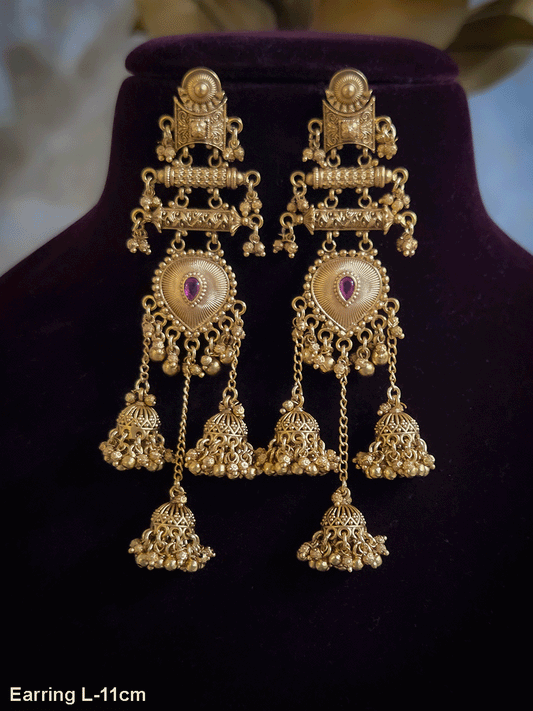
Leaf shaped ruby stone center triple jhoomki hangings long earrings
Regular price Rs. 2,800Regular price -
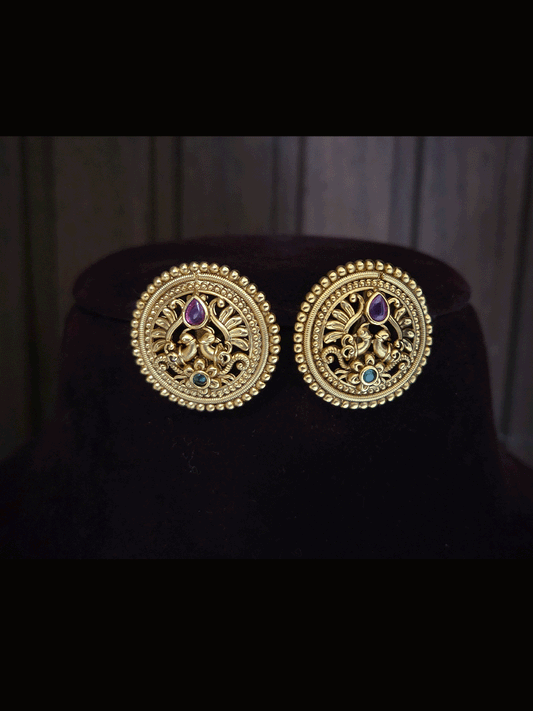
Circular flower with green stone at bottom of peacock design studs with tear shaped ruby stone
Regular price Rs. 1,400Regular price -
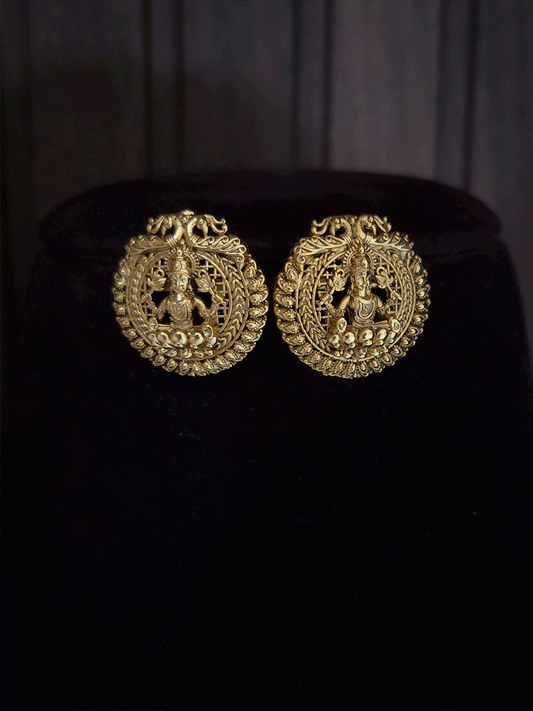
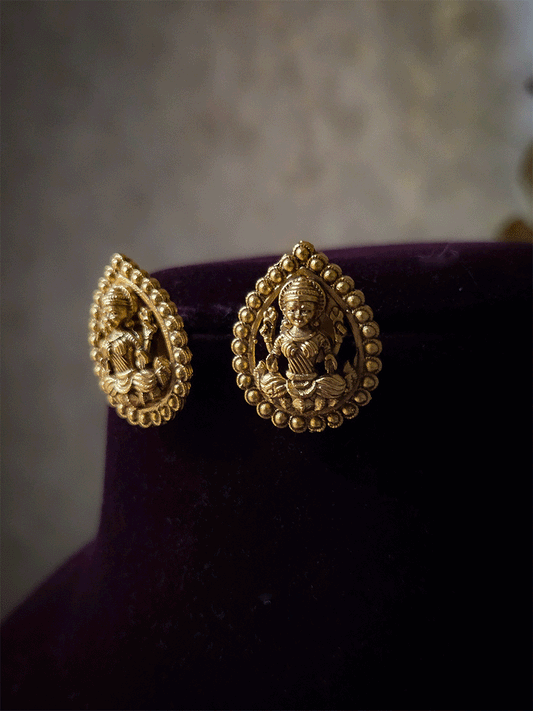
Laxmiji studs with peacocks on top and paisley design on circumference
Regular price Rs. 1,200Regular price -
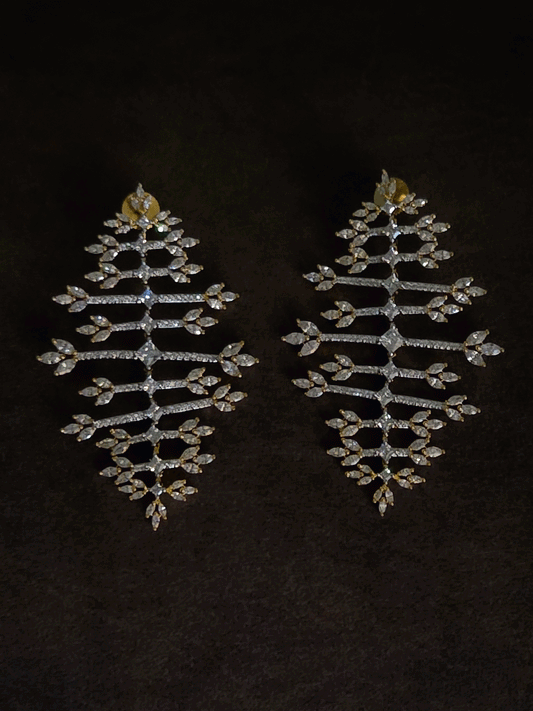
Straight horizontal zircon studded lines with three leaf design at the ends long gold finish flexible earrings
Regular price Rs. 3,000Regular price -
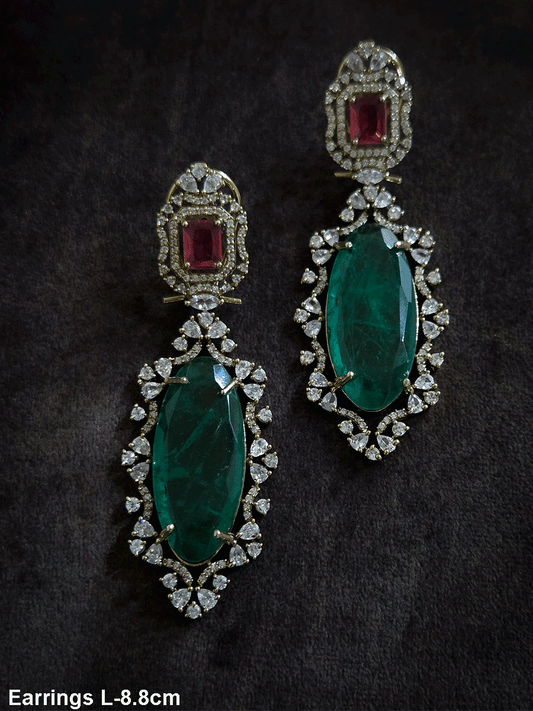
Rectangular top and Oval bottom stone in AD setting 8.5cm long earrings
Regular price Rs. 2,800Regular price -
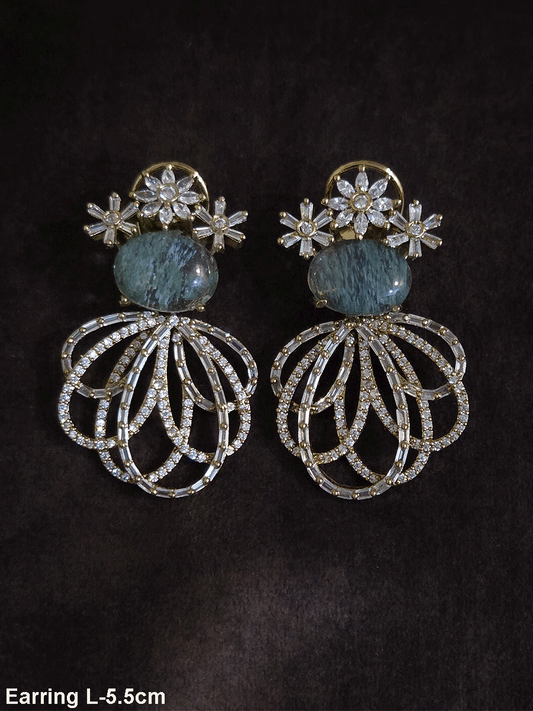
Three Baguette flower top earrings with oval coloured stones and loop design
Regular price Rs. 2,500Regular price -
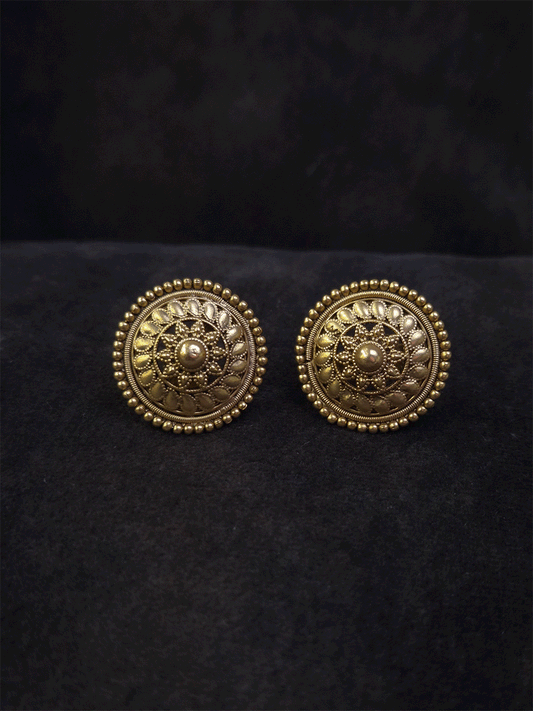
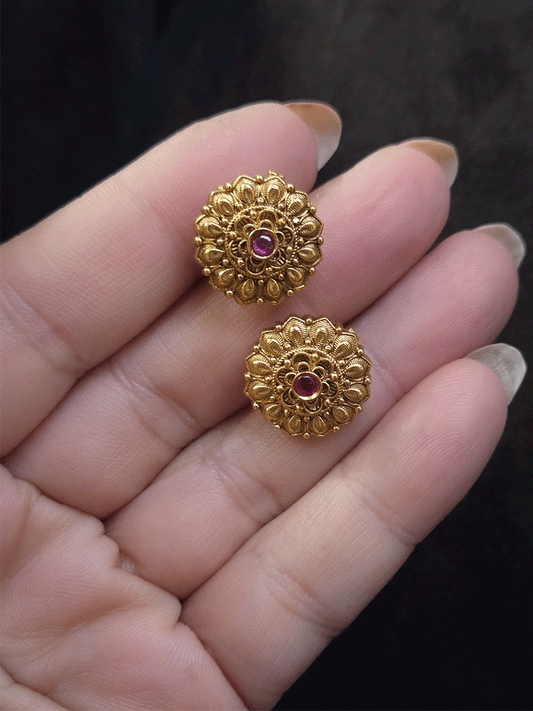
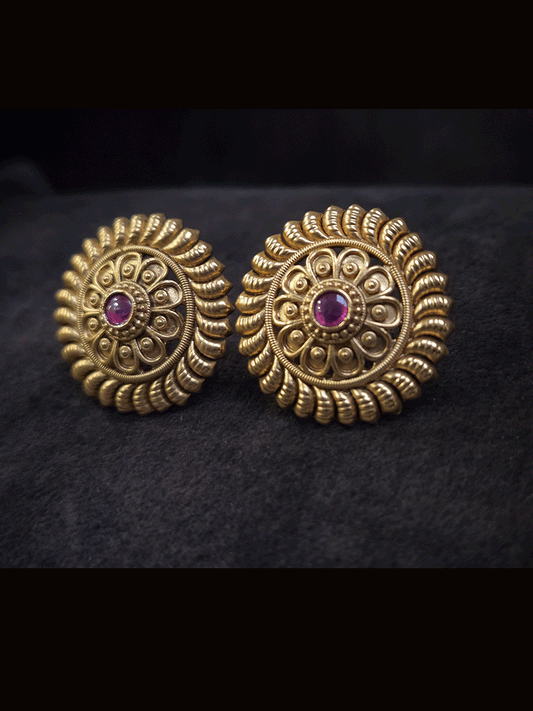
Traditional gold finish flower center design studs with dotted design on circumference
Regular price Rs. 1,500Regular price -
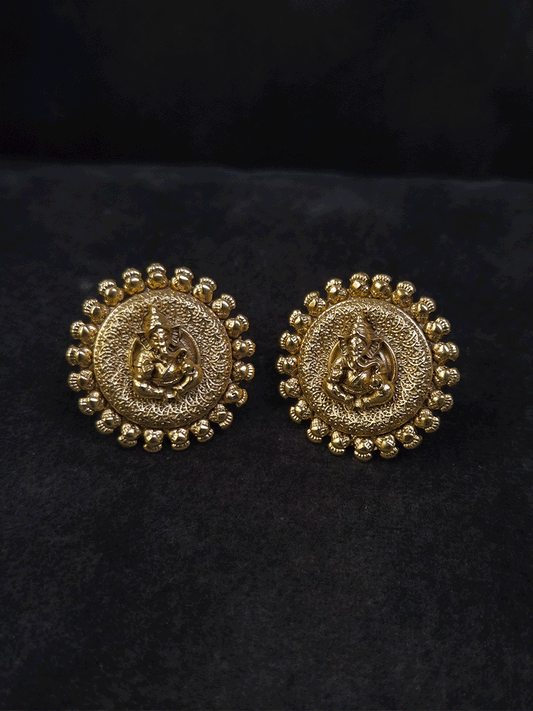
Round bold Ganpatiji self desgin studs with intricate design on circumference
Regular price Rs. 1,500Regular price -
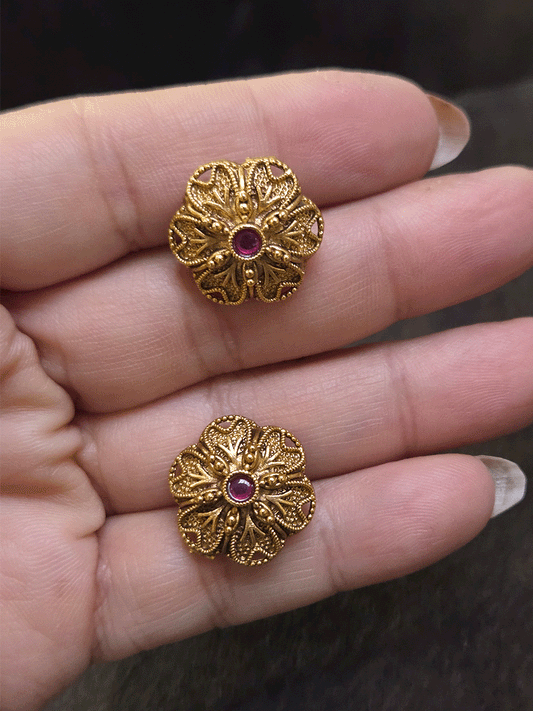
Flower design 2cm broad studs with ruby stone in center
Regular price Rs. 1,400Regular price -
Ruby stone in the center of flower design studs with leaf petal design
Regular price Rs. 900Regular price -
Round ruby stone flower center 3cm broad studs with leaf design on circumference
Regular price Rs. 1,400Regular price -
Leaf shaped dotted outline Laxmiji studs
Regular price Rs. 1,000Regular price -
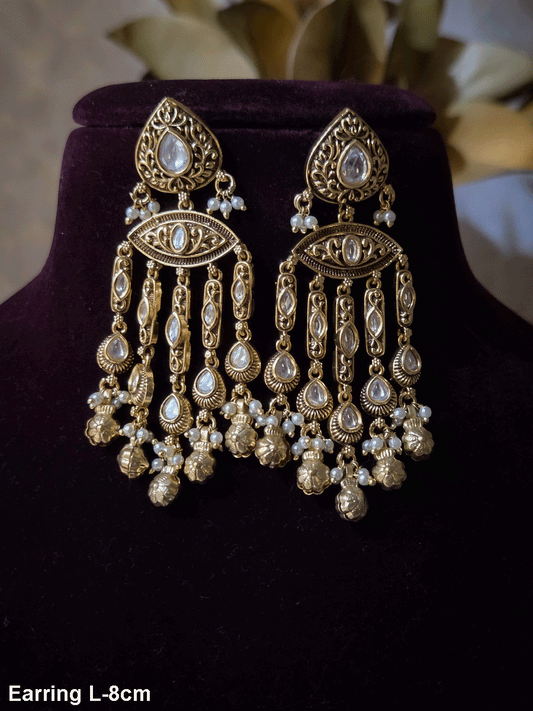
Leaf top with kundan earrings with antique kundan tukdies long tassels
Regular price Rs. 2,500Regular price -
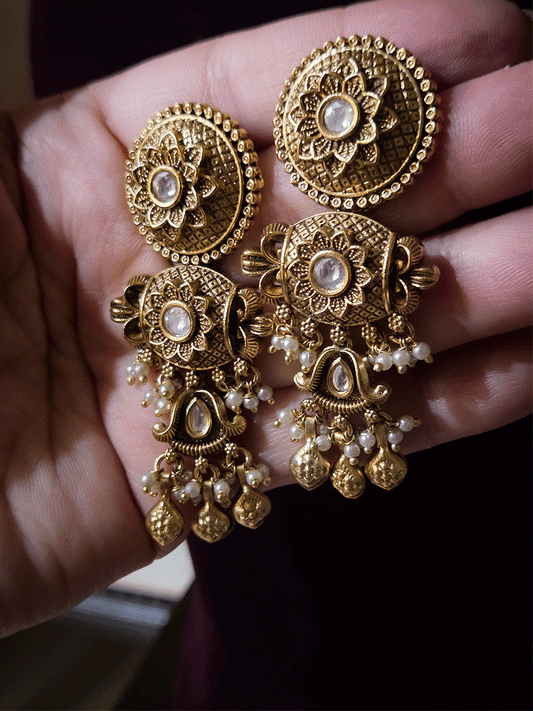
Self design circular top with kundan in flower center earrings with leaf shaped ghunghru
Regular price Rs. 2,100Regular price -
Flower with side leaf design and flower top kundan earrings with flower desing ghunghru hanging's
Regular price Rs. 2,200Regular price -
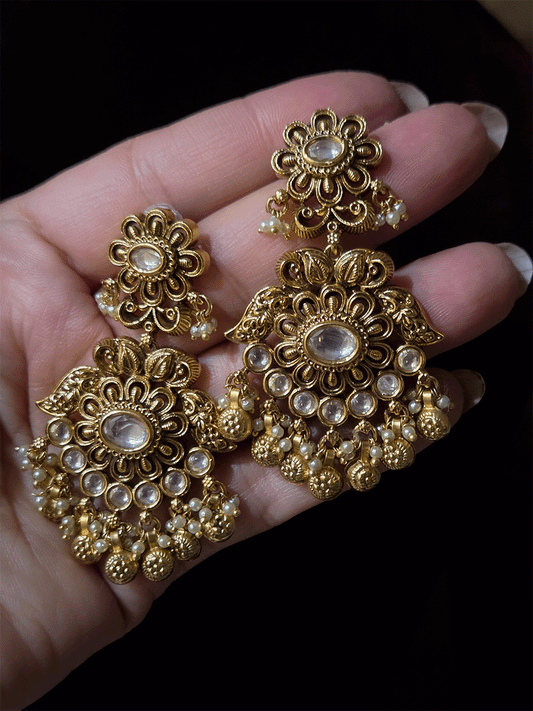
Flower design earrings with flower top and leaf tassels
Regular price Rs. 3,000Regular price -
Circular kundan top with flower at bottom ghunghru hanging earrings
Regular price Rs. 2,200Regular price -
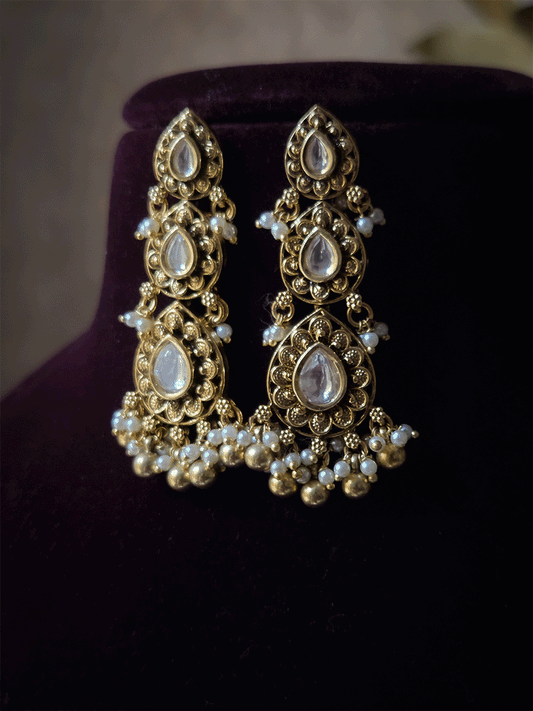
Three tier leaf shaped kundan earrings with bead hangings(L-6.5cm)
Regular price Rs. 2,000Regular price -
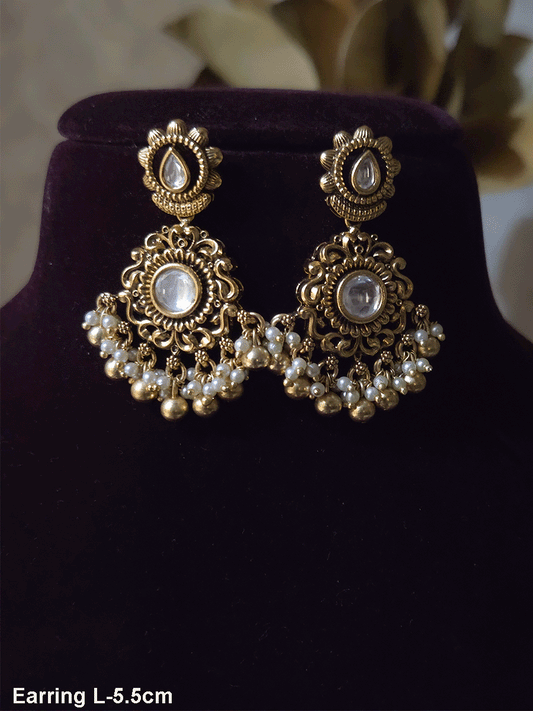
Tear shaped stone top design with circular kundan intricate design earrings(L-5.5cm)
Regular price Rs. 1,800Regular price -
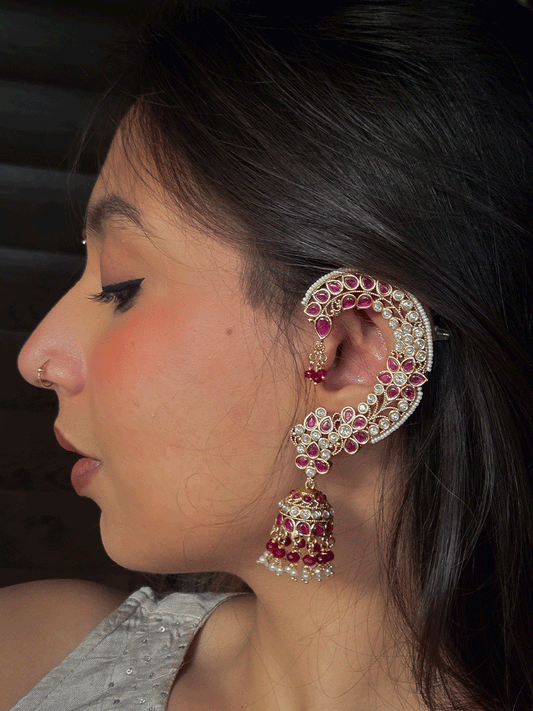
Flower and leaf design kundan and stones studded earcuffs
Regular price Rs. 3,500Regular price -
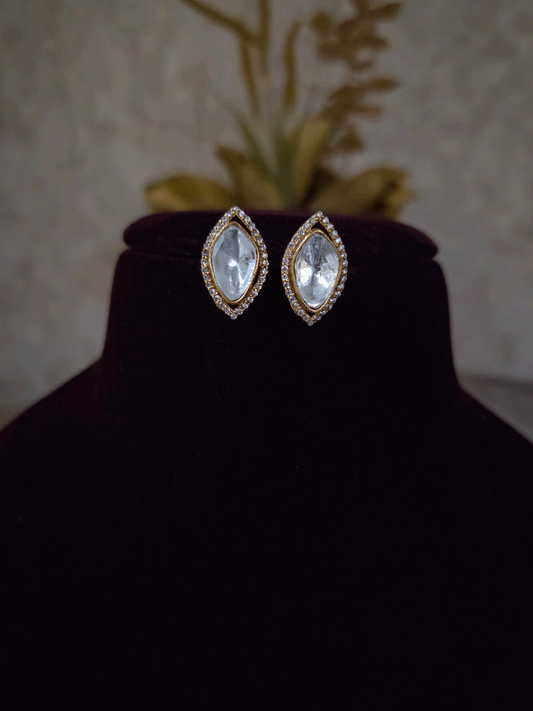
Leaf shaped 2cm long moissanite earrings with AD outline
Regular price Rs. 1,200Regular price
























The styles in this collection
Jhumkas are the oldest continuously worn earring form in the subcontinent — a bell-shaped dome that catches light as you move. Odara's jhumkas run from small everyday pairs to broad, layered bridal versions with pearl or ghunghru hangings.
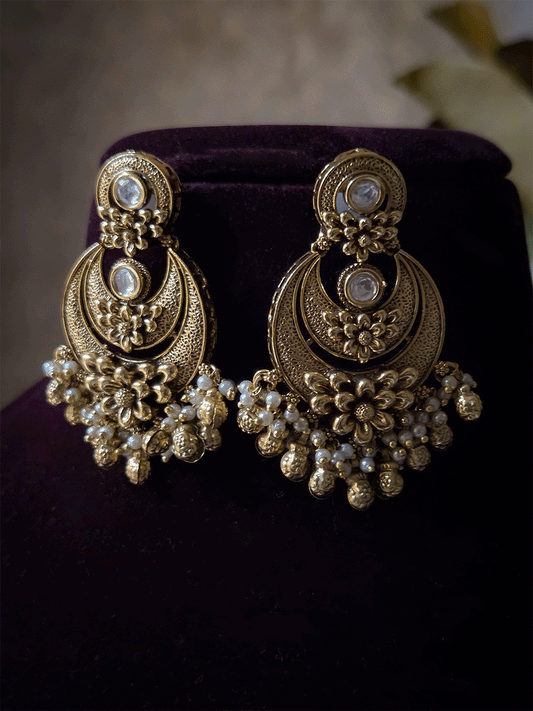
Chandbalis take their name from chand, the moon: a crescent face, usually Kundan-set, with a lineage running back through Hyderabadi and Mughal workshops. They read formal even in a small size.
Studs are the quiet end of the collection: polki, single-stone and small floral tops for daily wear.
Earring and maangtika sets pair a statement earring with a matching forehead piece, sold together so the metal tone and stone colour actually match. These sit mostly in the Wedding Collection.
Silver earrings cover oxidised and sterling styles for anyone who wears cool tones rather than gold.
How to choose a pair
Start with weight, not looks. A broad bridal jhumka worn for eight hours is a different proposition from the same design worn for a photograph, and the honest answer is that heavier earrings need either a supporting saahara chain hooked into the hair, or a shorter wearing window. Odara lists dimensions on each product page for exactly this reason.
Then match the earring to the neckline rather than the outfit. A high-necked kurta or a closed blouse leaves the ear as the only place for detail, so a long jhumka or chandbali carries the look on its own. An open neckline already competing with a neckpiece asks for a stud or a compact top instead.
For sarees, longer drops sit well because the pallu frames the face. For everyday Western and Indo-Western wear, the modern and contemporary edits are lighter and less literal in their motifs.
What these are made of
Most pieces are brass-based with a gold plating, which is what keeps a hand-set Kundan design at ₹1,600 rather than ₹16,000. Kundan itself refers to the setting technique — stones held in place with refined gold foil, stone by stone, by hand — not to the metal underneath. Polki uses uncut natural stones set the same way. Meenakari is the enamel work you'll often find on the reverse of a Jaipur piece, and kemp stones are the deep red and green stones characteristic of South Indian temple jewellery.
Caring for gold-plated earrings
Plating wears through contact and chemistry, not age. Put earrings on last, after perfume and hairspray have dried. Wipe them with a dry soft cloth after wearing — skin oils are the main culprit. Store each pair in its own pouch so stones don't scratch neighbouring pieces, and keep them out of the bathroom, where humidity does slow damage.
Common questions
Are these earrings suitable for daily wear? The studs and lighter ethnic pairs are. Broad bridal jhumkas and heavy chandbalis are designed for occasions and will wear their plating faster with daily use.
Will gold-plated earrings turn my ears green? Rarely, but it can happen with prolonged sweat contact on brass-based jewellery. If you have a known nickel or brass sensitivity, choose from the silver earrings instead.
Do earrings come with a matching neckpiece? Many do — full sets are listed in Neck Pieces and the Wedding Collection, where the earring is included with the set rather than sold separately.