
-
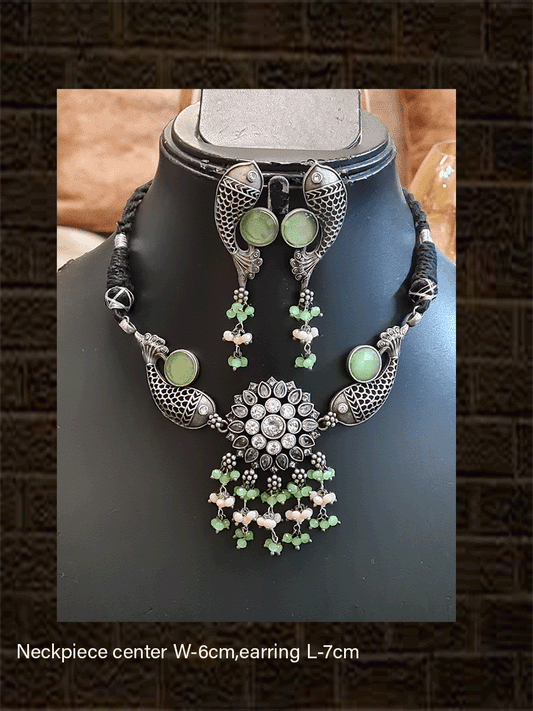
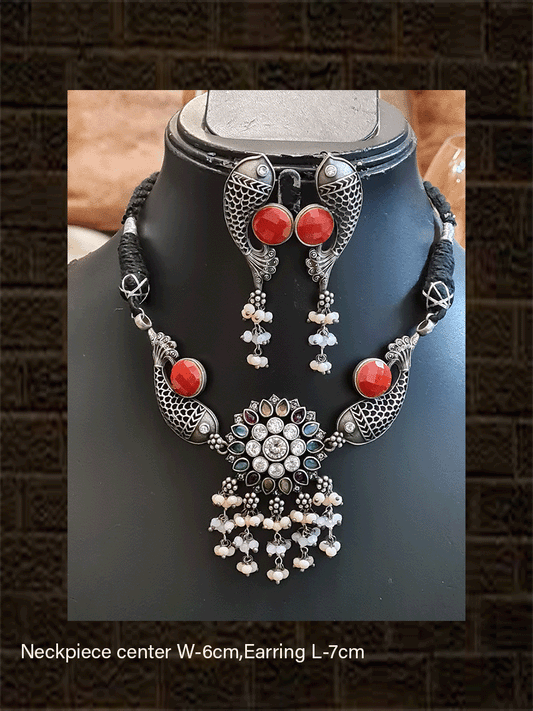
German silver stones studded fish design set with black thread dori
Regular price Rs. 1,500Regular price -
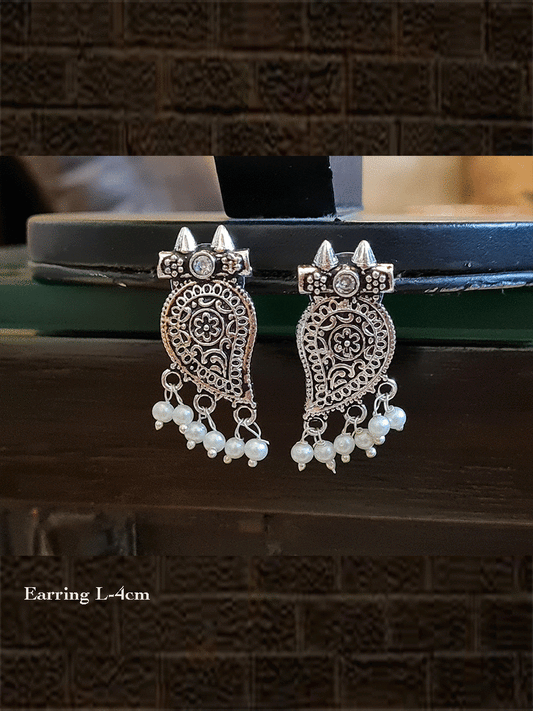
Leaf shaped german silver earrings with pearl drops
Regular price Rs. 350Regular price -
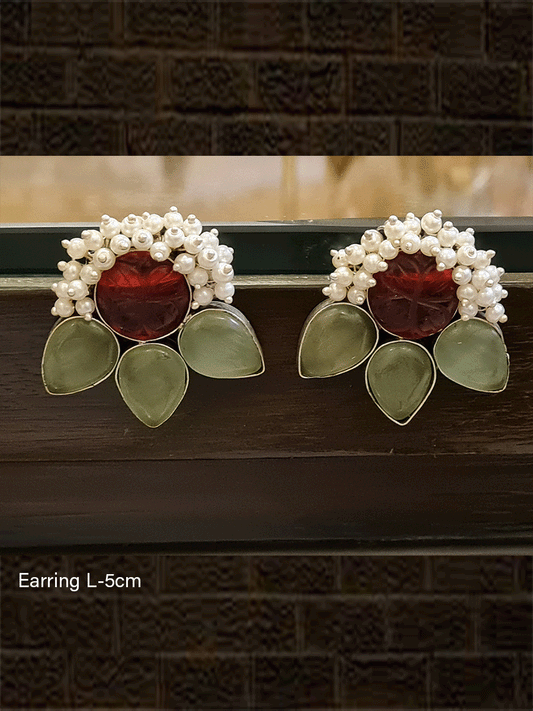
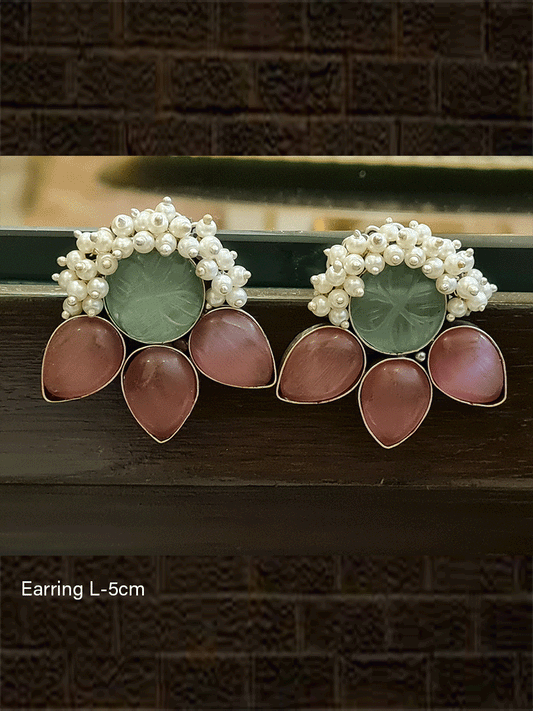
Pearly lace on one edge of stone studded three leaf german silver earrings
Regular price Rs. 1,000Regular price -
German silver natural stones earring with tear drop shaped stone on the top
Regular price Rs. 800Regular price -
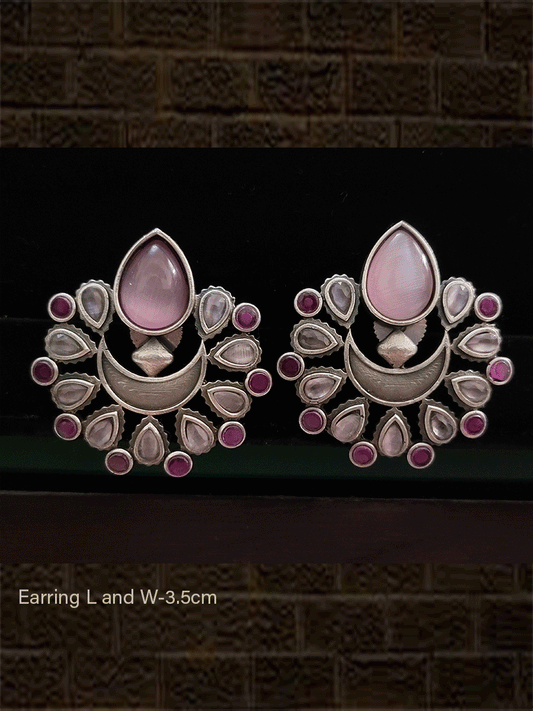
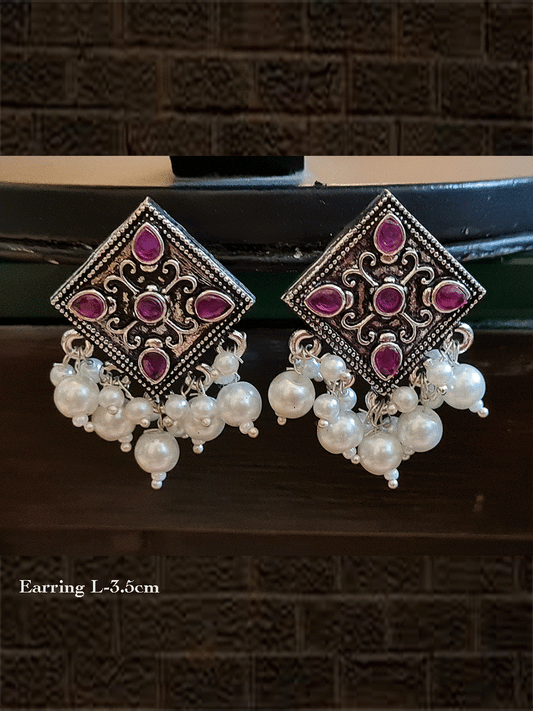
Kite shaped stone studded german silver earrings with pearl drops
Regular price Rs. 450Regular price -
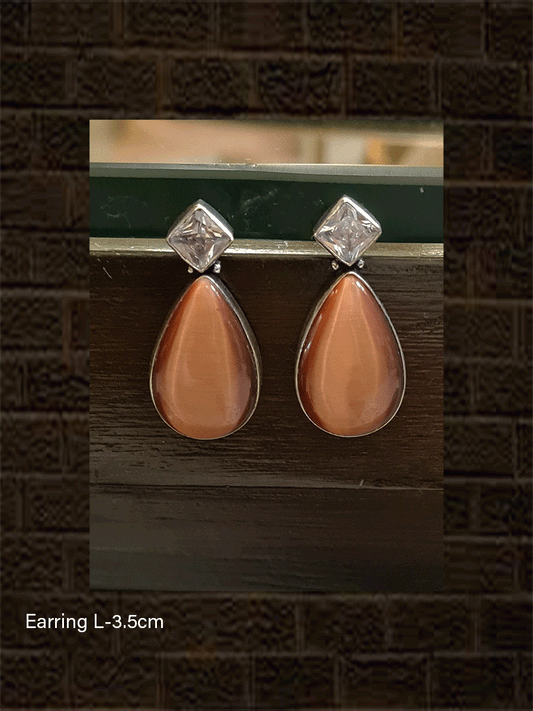
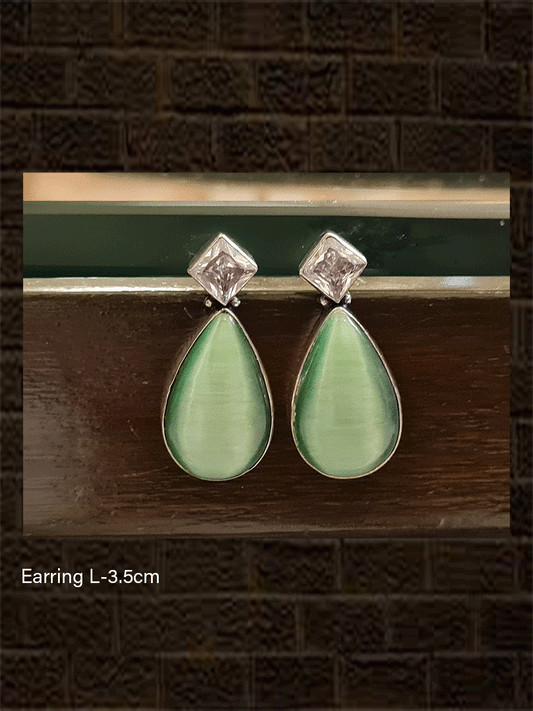
White stone top with leaf stone drop German silver earring
Regular price Rs. 750Regular price -
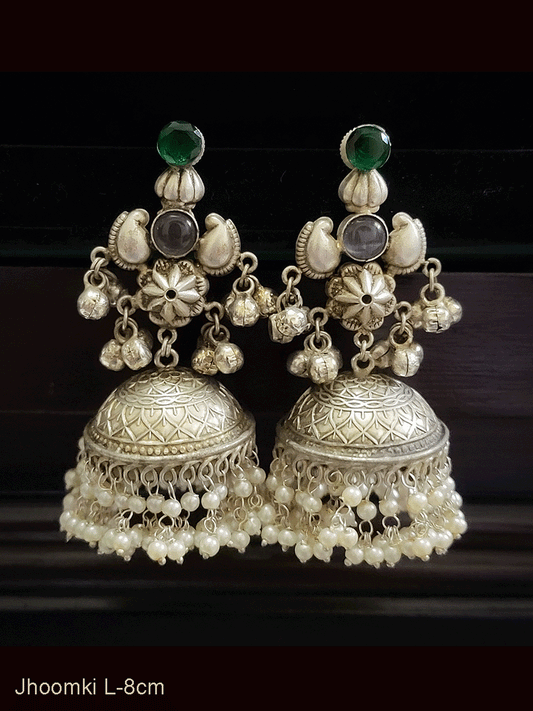
Flower center with coloured stones ghunghru hanging german silver jhoomkies(silver finish)
Regular price Rs. 1,800Regular price -
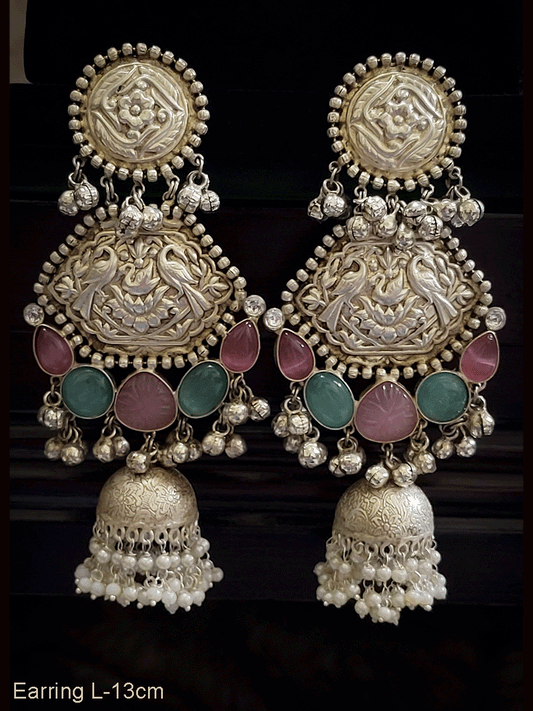
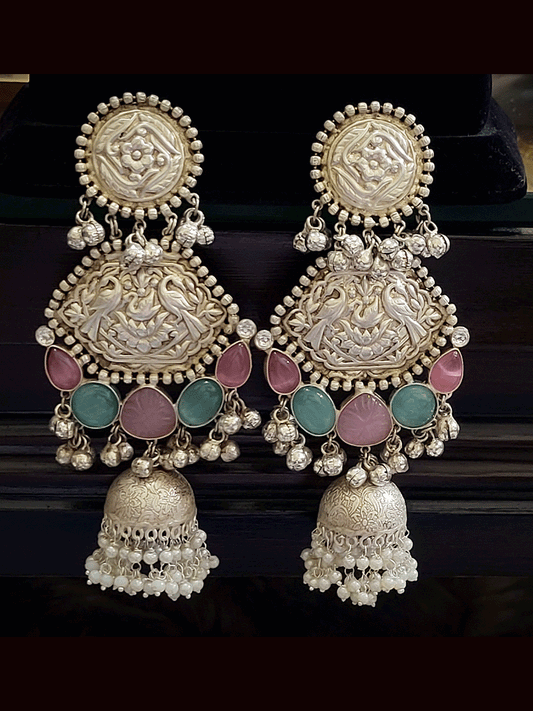
Peacock engraved german silver metal 13cm long earring with pink and aqua stones and jhoomki hanging(weight-35gm single earring)
Regular price Rs. 2,600Regular price -
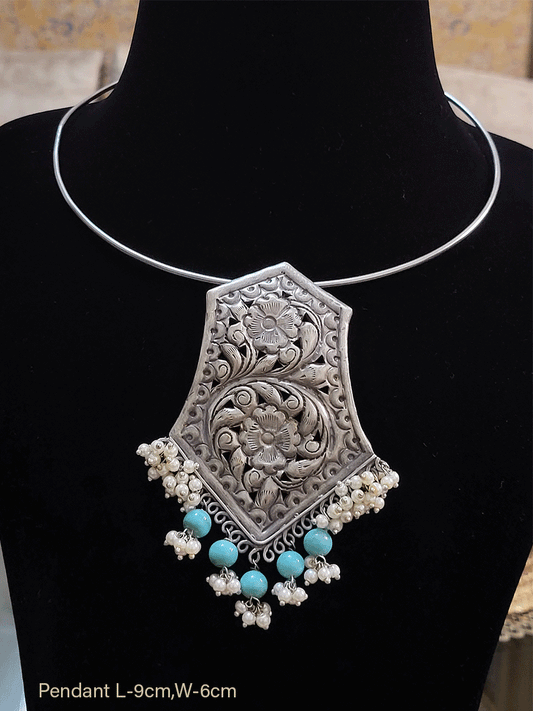
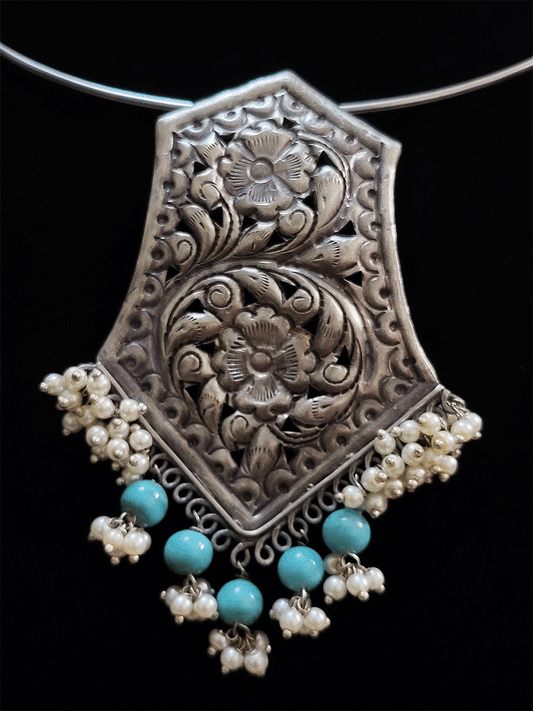
Bold coloured bead drop german silver pendant in silver pipe hasli
Regular price Rs. 1,800Regular price -
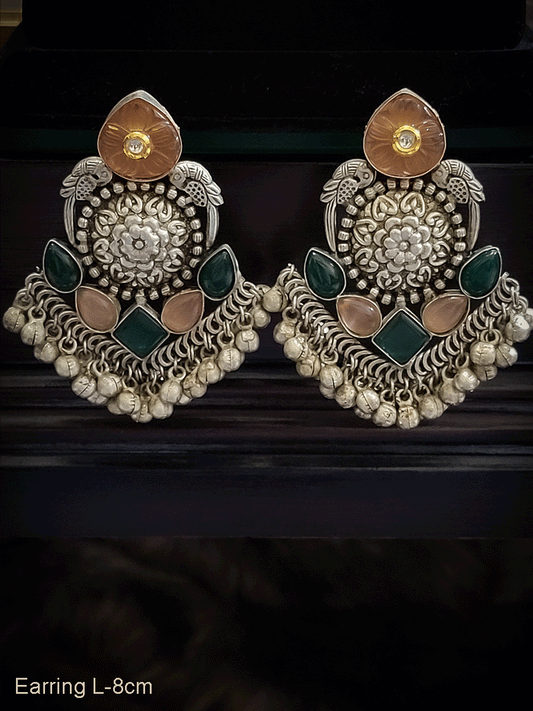
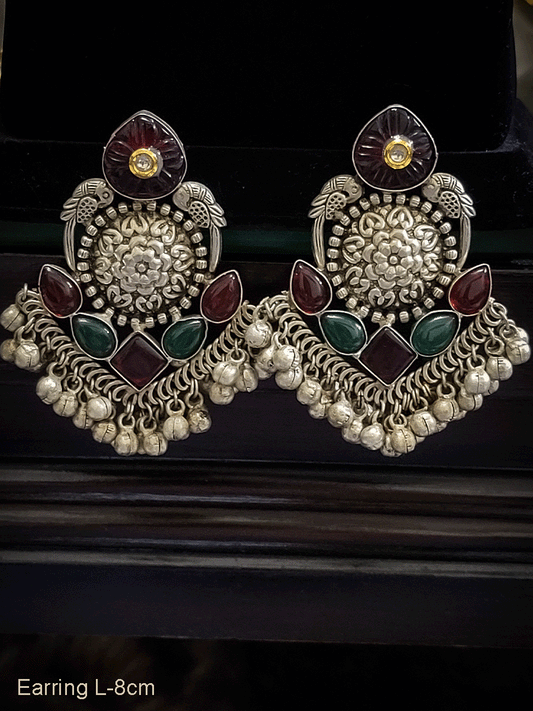
8cm long coloured leaf top stone with kundan white finish peacock sides german silver ghunghru hanging earrings
Regular price Rs. 1,800Regular price -
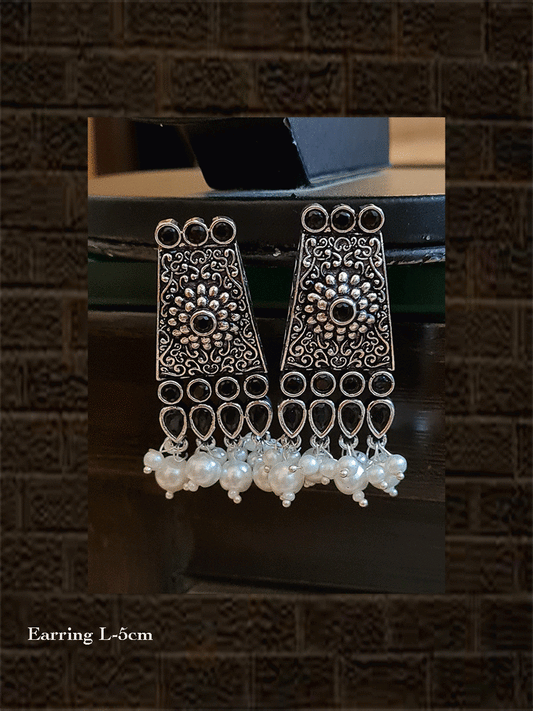
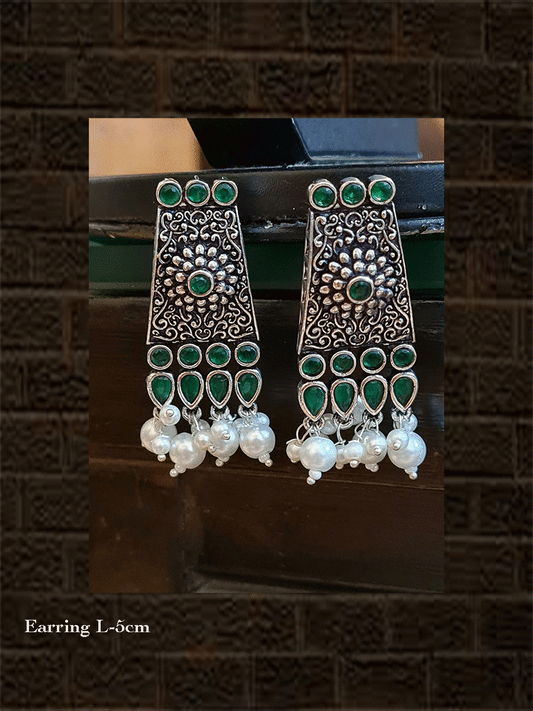
Pearly drop german silver earrings with self design and coloured stone
Regular price Rs. 550Regular price -
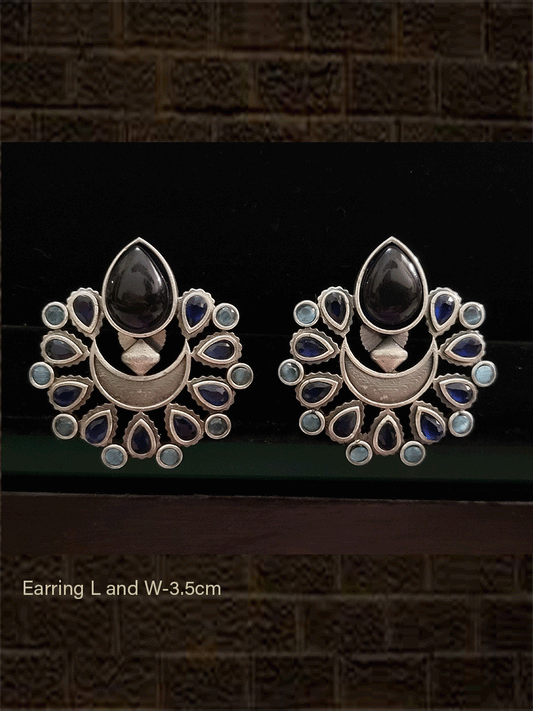
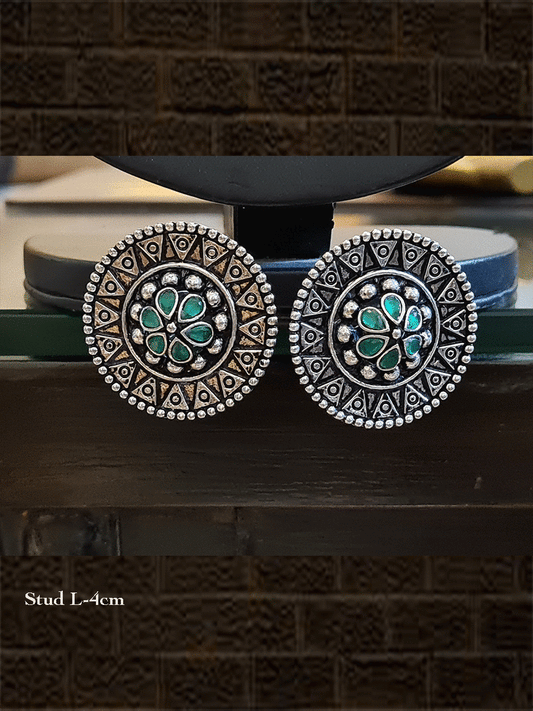
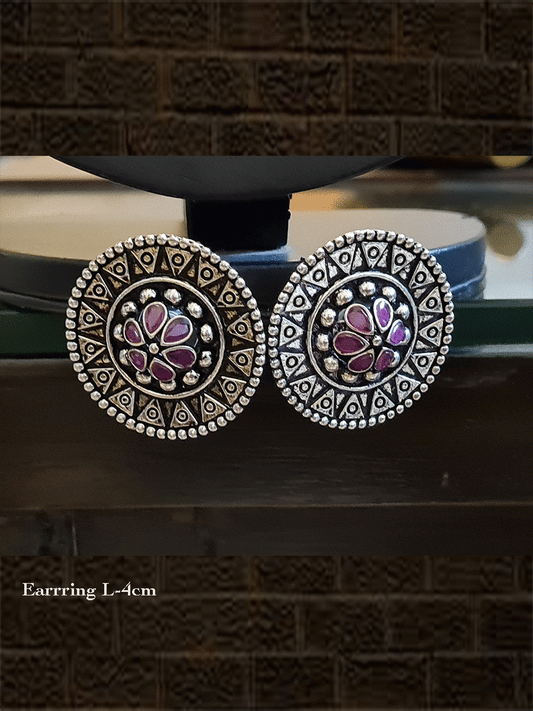
Big round german silver studs with coloured stone
Regular price Rs. 550Regular price -
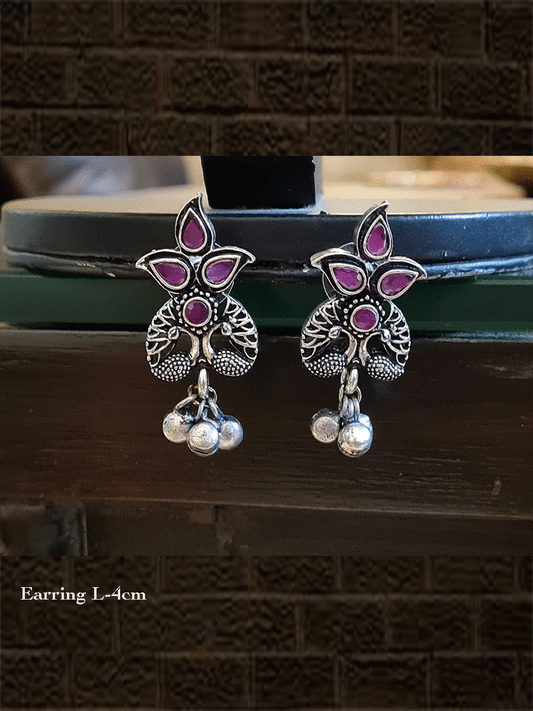
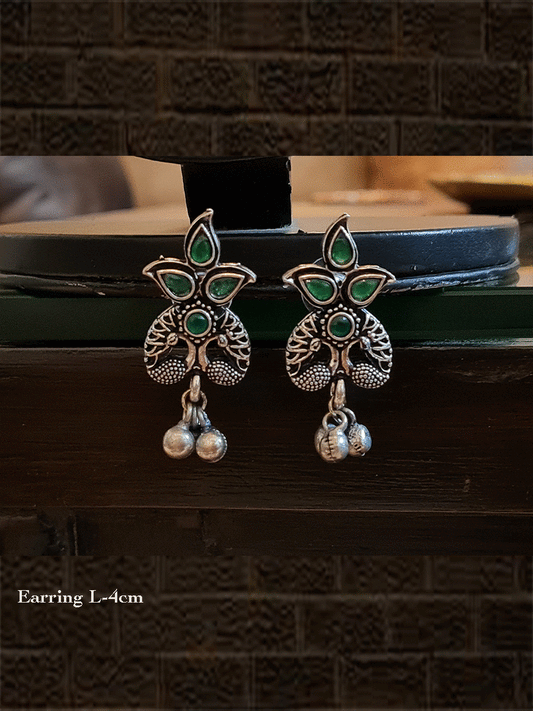
Stone studded inverted peacock design german silver earrings with hanging ghunghru's
Regular price Rs. 400Regular price -
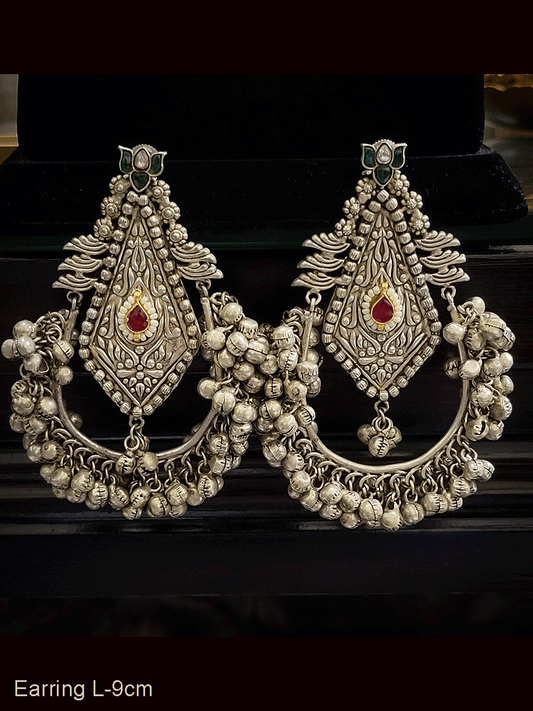
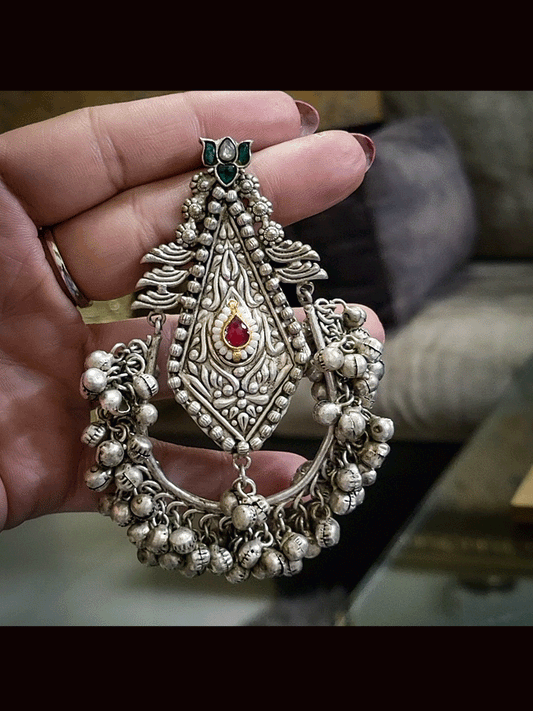
9cm long german silver kite shaped self design center with ghunghru hangings at the bottom(weight 38gm single earring)
Regular price Rs. 2,800Regular price -
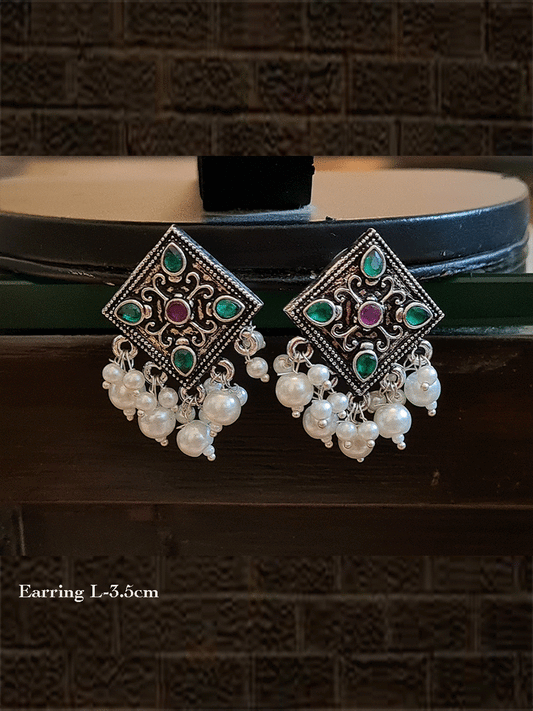
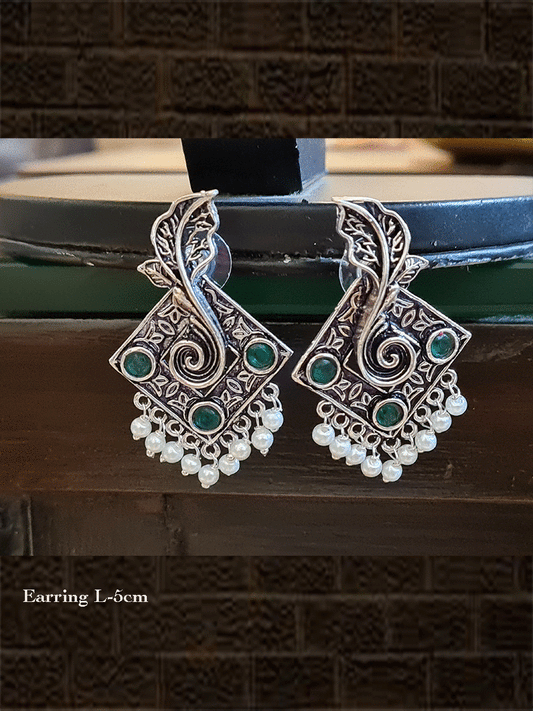
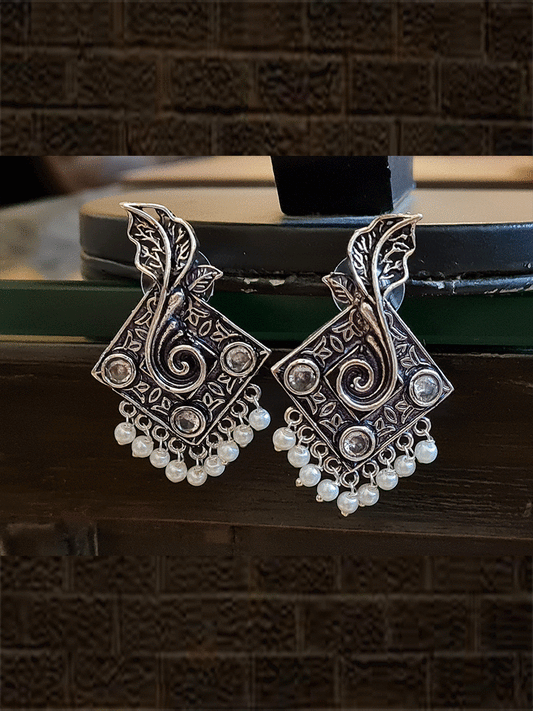
Leaf in square shaped german silver earrings with stones and pearl drops
Regular price Rs. 500Regular price -
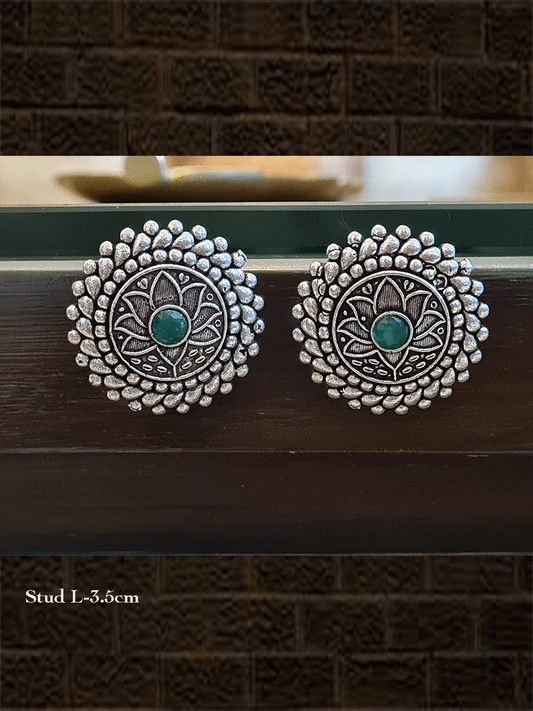
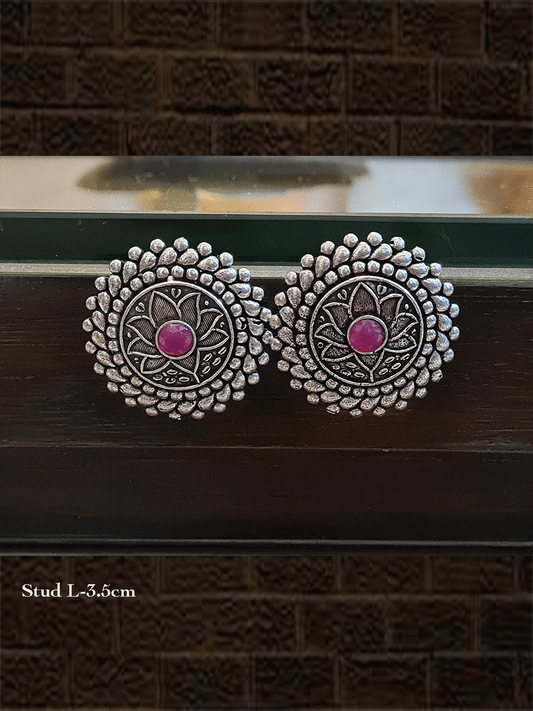
Round lotus design german silver studs
Regular price Rs. 450Regular price -
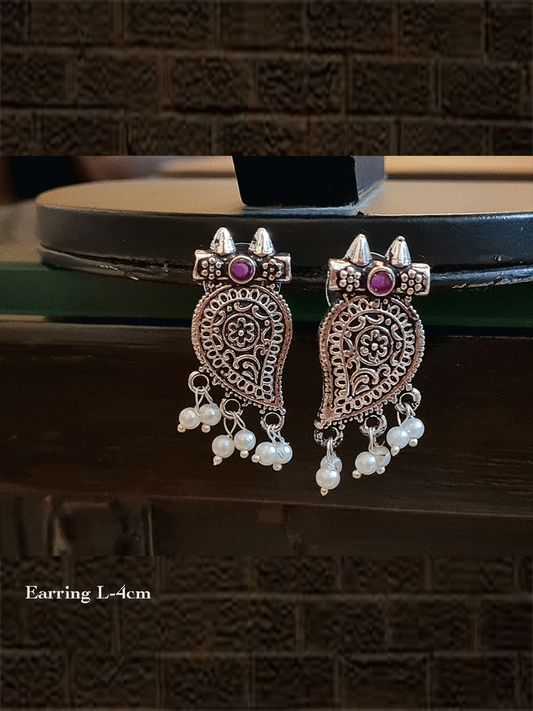
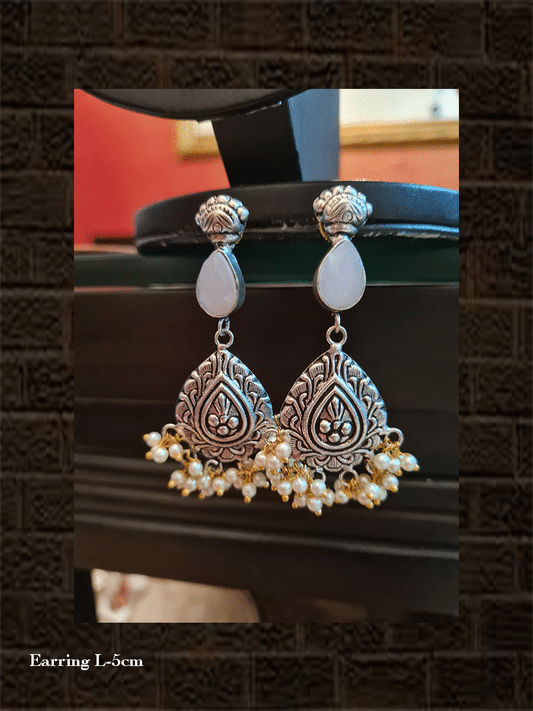
German silver pearly cluster drop traditional design earring with white stone
Regular price Rs. 1,000Regular price -
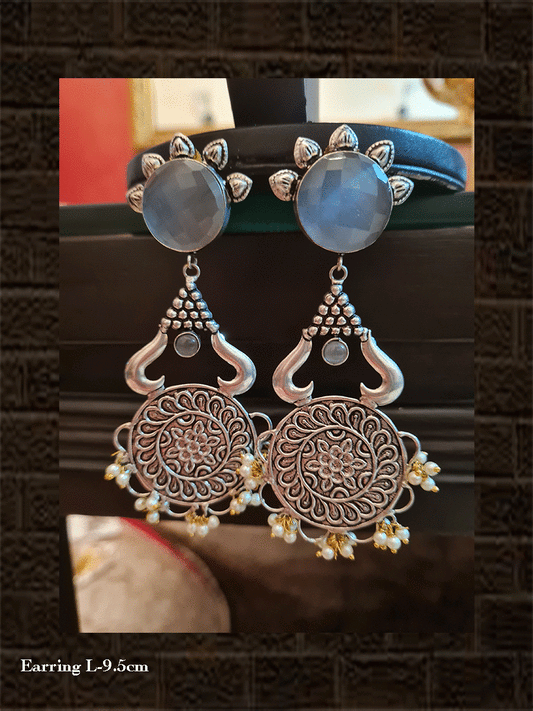
Grey round stone long german silver earring with self design and hanging pearly cluster
Regular price Rs. 1,200Regular price -
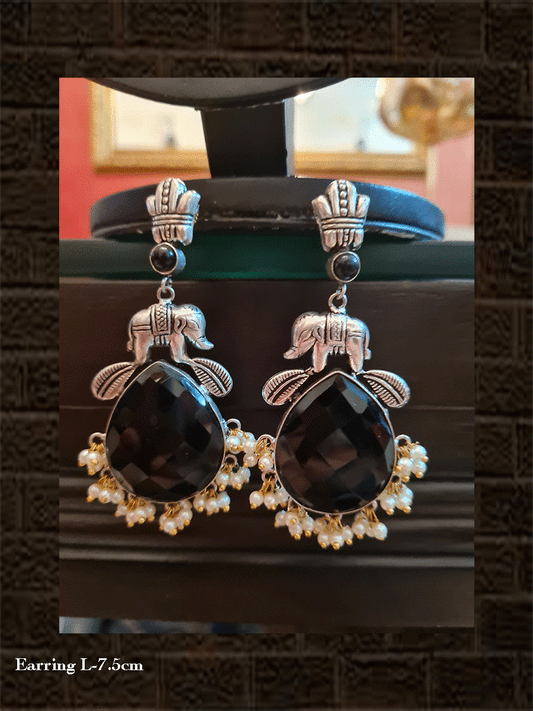
German silver black tear drop shaped stone elephant design earring
Regular price Rs. 1,200Regular price -
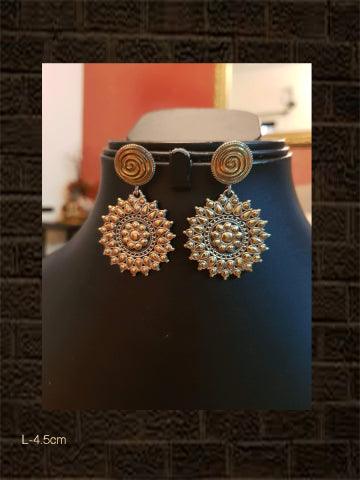
Flower design german silver dual polish earring
Regular price Rs. 750Regular price

What German Silver actually is
It contains no silver. German Silver — also sold as nickel silver or alpaca — is an alloy of copper, nickel and zinc, named for its colour rather than its content. That is worth stating plainly, because the name misleads a lot of first-time buyers.
What it does have is character. The alloy takes oxidisation beautifully, holding a dark patina in its recesses while the raised surfaces stay bright, which is why engraved and embossed work reads so sharply in this metal. It is harder than silver, so it holds a bold form without deforming, and it does not carry silver's price — which is how a hand-engraved neckpiece lands at ₹1,000 rather than ₹10,000.
One caution: German Silver contains nickel. If you have a known nickel allergy, choose from Silver Elegance or the sterling silver earrings instead.
The look, and who it suits
This is the least polished, most deliberate jewellery Odara stocks. The motifs come from folk traditions — geometric bands, tribal florals, elephant and peacock forms — that have never chased fashion, and the finish is intentionally raw rather than gleaming. In German Silver, the detail is the design; there is no stone-setting doing the work.
It suits anyone who finds gold-plated ethnic jewellery too formal, or who dresses in handloom, khadi, cotton and linen. It also works as a deliberate contrast against contemporary silhouettes — a heavy oxidised neckpiece over a plain black shirt is a stronger statement than the same piece over a saree.
Styling
Keep German Silver away from gold. Mixed metals work in many contexts, but oxidised white metal against gold plating tends to make both look accidental. Build around one piece: a broad neckpiece with bare ears, or bold earrings with a plain neck.
Because the pieces are visually heavy but physically light, you can wear more of them than the look suggests — stacked oxidised bangles with a matching earring is a natural pairing, and one Odara customers put together often.
Care — and why this is different
German Silver is the one collection where you should not polish away the darkness. The oxidised patina in the engraving is the finish; a silver-polishing cloth or dip will strip it and leave the piece looking flat and unfinished. Wipe only the raised surfaces with a dry cloth, and leave the recesses alone.
The metal will darken further with wear and skin contact, which is expected and generally improves the look. Store pieces dry and separately. If a piece becomes genuinely dull rather than dark, a soft brush with mild soap and thorough drying is as far as you should go.
Common questions
Is German Silver real silver? No. It is a copper-nickel-zinc alloy named for its silver-like colour.
Will it tarnish? It darkens over time, which is the intended effect on oxidised pieces. That patina is the finish, not damage.
Is it safe for sensitive skin? It contains nickel, so it is not the right choice for anyone with a nickel allergy. Sterling and oxidised silver options are in Silver Elegance.