

-
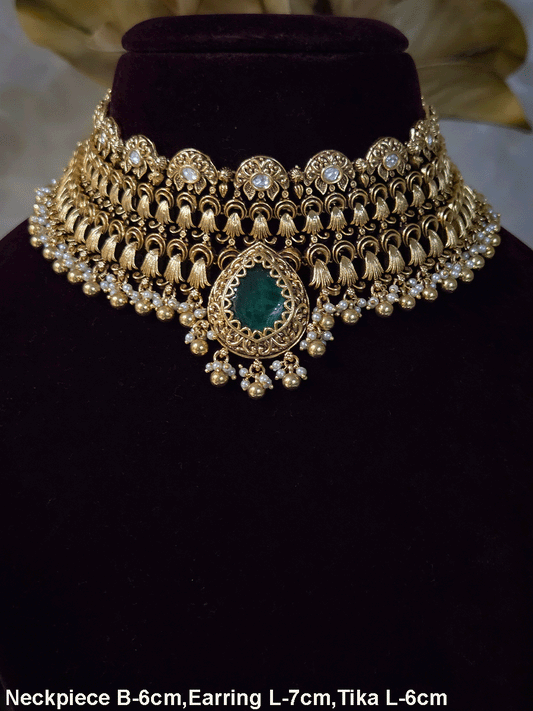
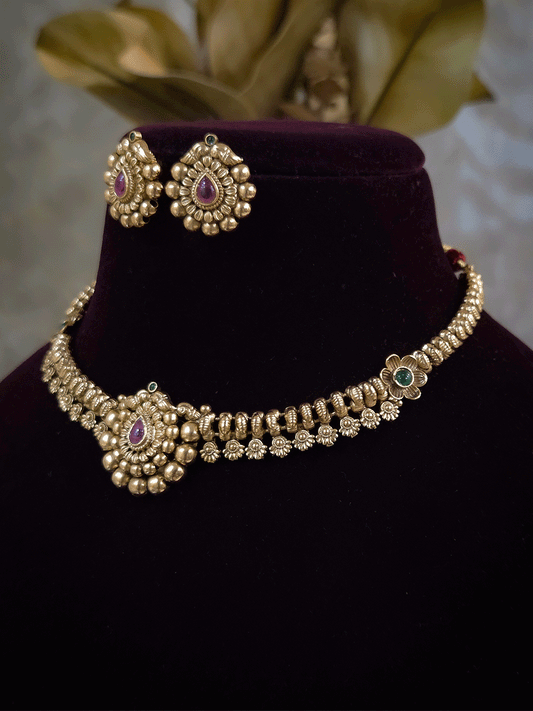
Antique gold finish kundan set with bold tear drop shaped stone in center
Regular price Rs. 11,000Regular price -
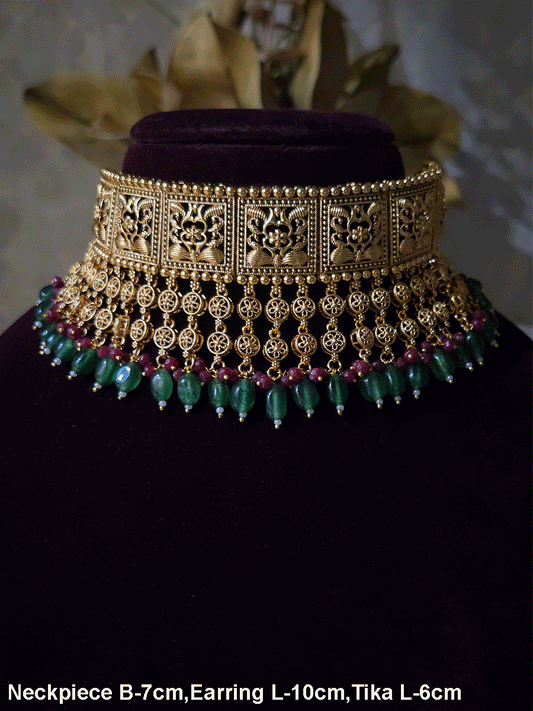
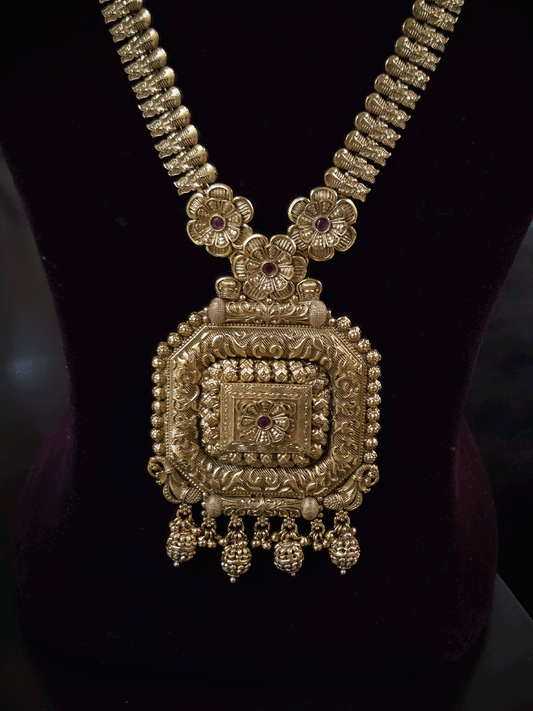
Traditional square design broad choker with hanging tukdies and coloured beads
Regular price Rs. 5,800Regular price -
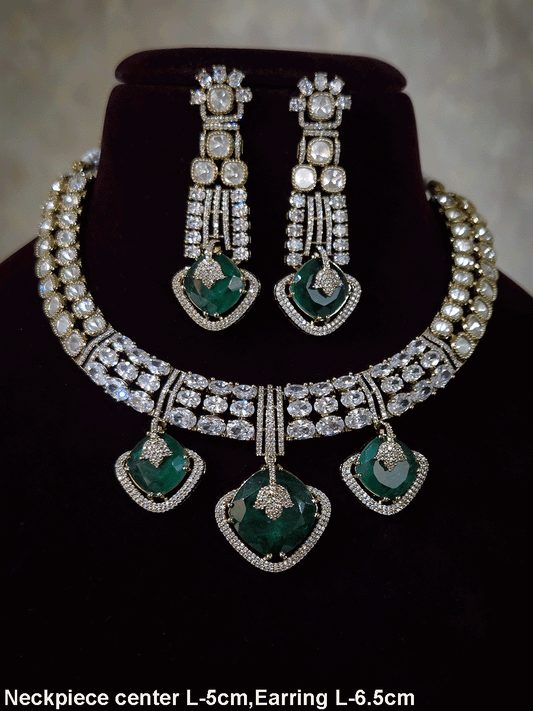
Zircon detailing on three hanging stones tukdies of moissanite set
Regular price Rs. 6,500Regular price -
Oval shaped moissanite pendant with stones studded hasli set in mehandi finish
Regular price Rs. 8,000Regular price -
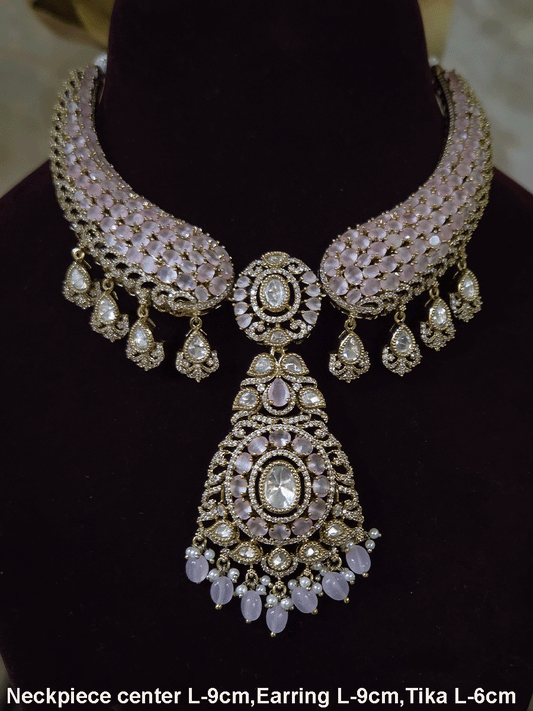
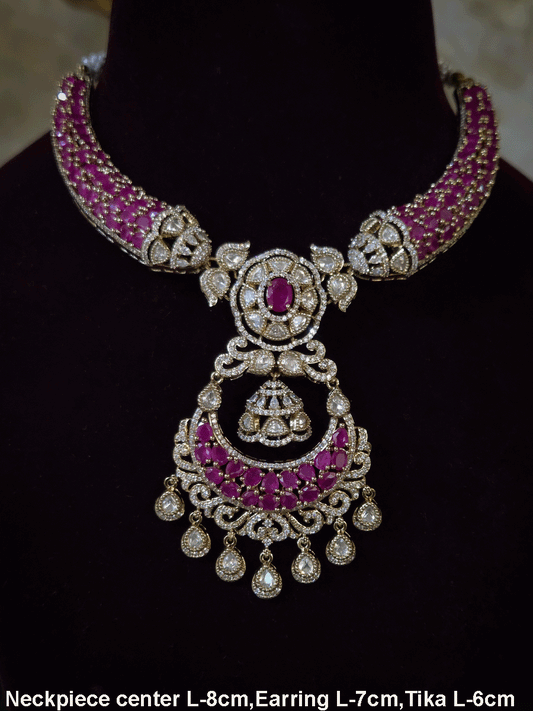
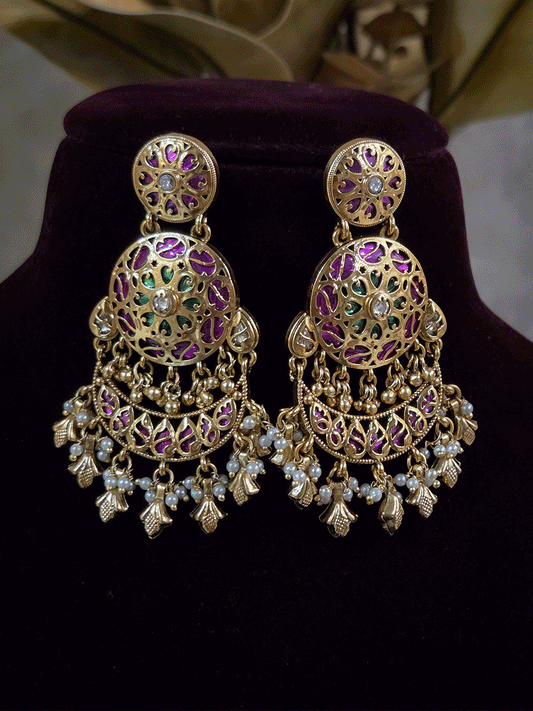
Mehandi finish stones studded moissanite set with chandbali design center
Regular price Rs. 7,800Regular price -
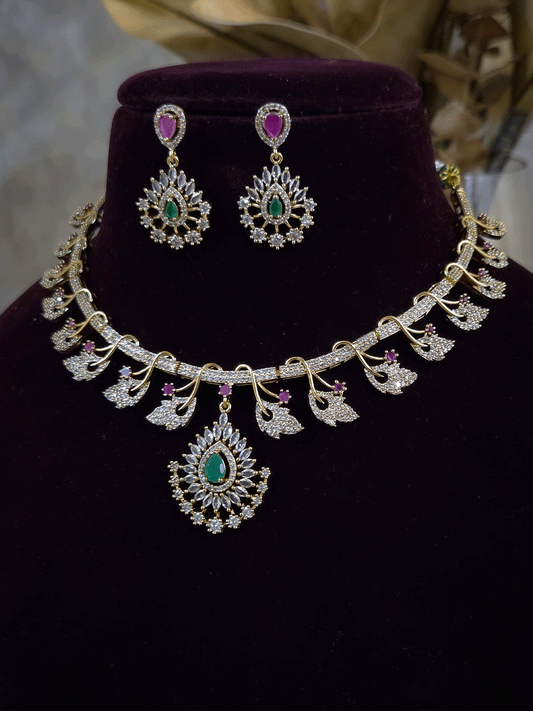
Zircon studded leaf design set with tear drop shaped green stone center hanging tukdi
Regular price Rs. 3,000Regular price -
Half flower peacock top design pendant set with 8" long chain
Regular price Rs. 2,400Regular price -
Square self design ruby stone flower pendant 11" long leaf string set with matar bead drops
Regular price Rs. 6,000Regular price -
11 inch long leaf design side string with ghunghru hangings set with ruby stone flower design pendant
Regular price Rs. 6,000Regular price -
Rajwadi finish kundan embedded circular tukdi design ghunghru hangings set with mint rectangular stones at top
Regular price Rs. 7,000Regular price -
Leaf center with gold bead lace traditional design set with flower on sides
Regular price Rs. 2,500Regular price -
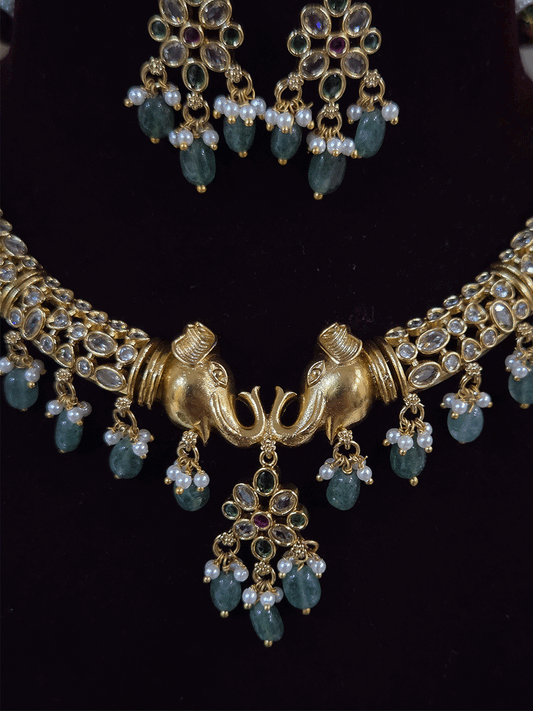
Elephant mouth center with jade drops polki embedded hasli set
Regular price Rs. 3,500Regular price -
Double gold bead line top on classy spike design set
Regular price Rs. 3,200Regular price -
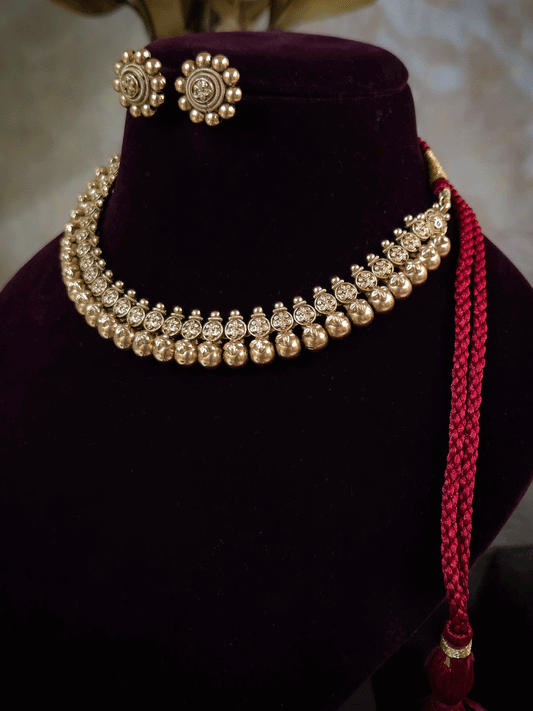
Flower engraved on gold bead design set with maroon dori
Regular price Rs. 2,800Regular price -
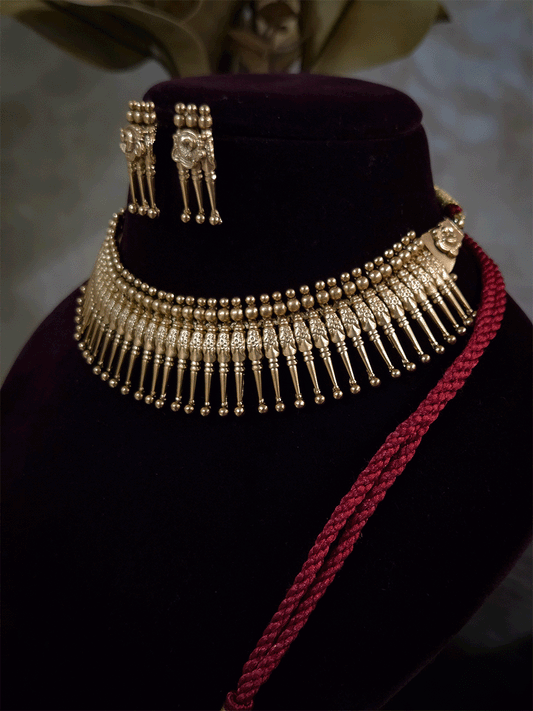
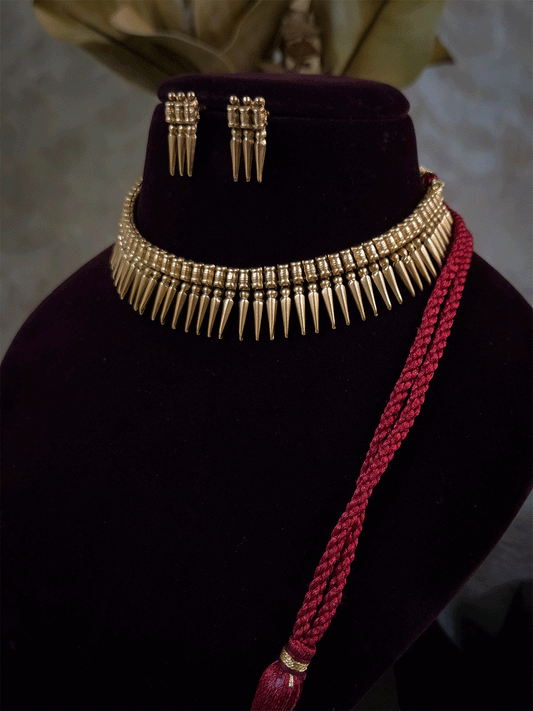
Traditional spike design set with maroon colour dori
Regular price Rs. 2,800Regular price -
Connecting laxmiji tukdies classy 17cm long set with green drops
Regular price Rs. 8,500Regular price -
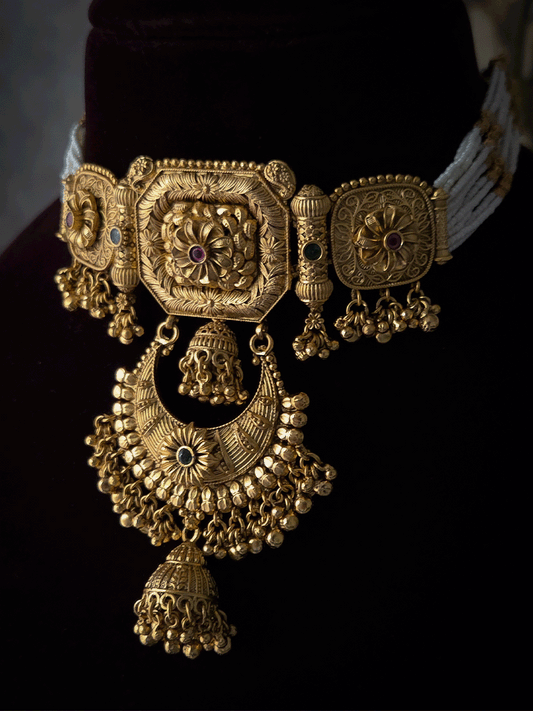
Rectangular center design with chandbali design attached tukdi set with hanging jhoomki
Regular price Rs. 6,500Regular price -
Moissanite setting in flower design classy set
Regular price Rs. 8,500Regular price -
Bold krishna ji center pendant set with different god motif's on side green strings
Regular price Rs. 13,000Regular price -
Intricate carving pendant set with Radha Krishna motif in center and Radha krishna motif's on side multiple bead strings
Regular price Rs. 11,000Regular price -
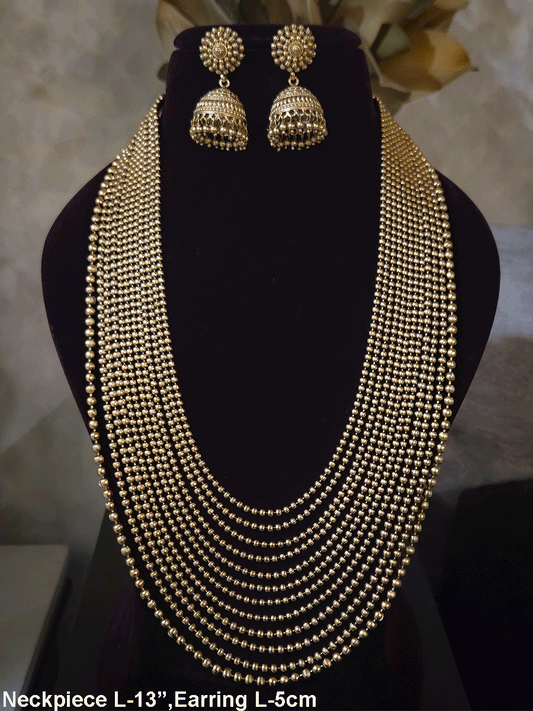
Multiple gold bead layer long set with jhoomkies
Regular price From Rs. 7,500Regular price -
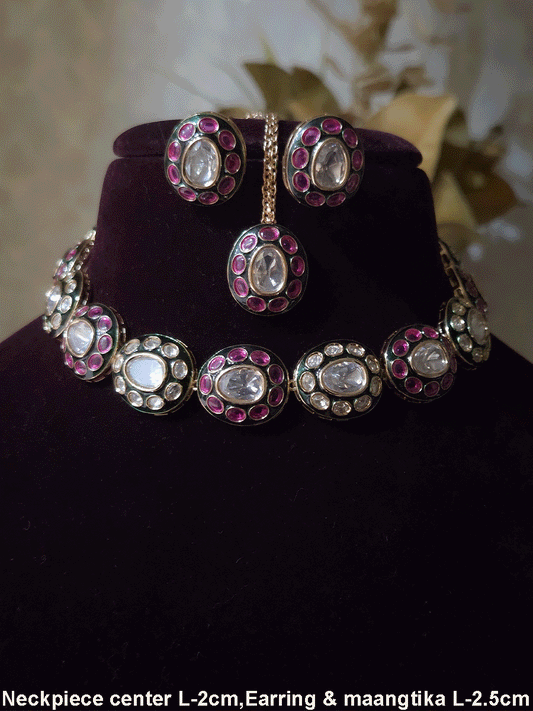
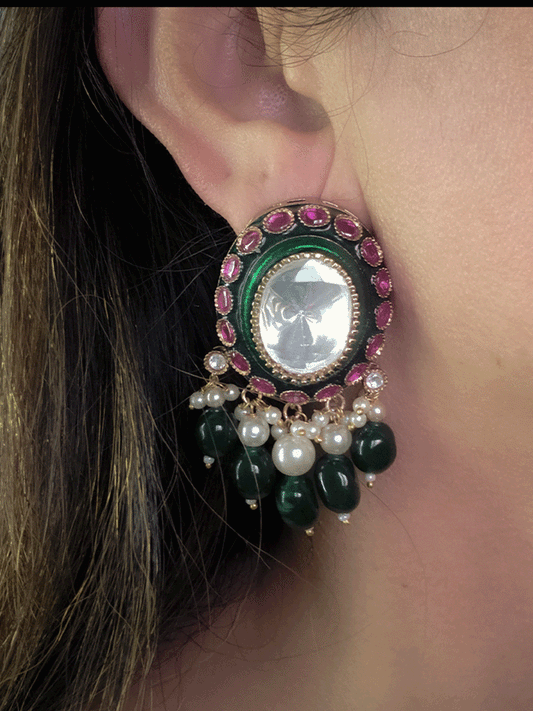
Ruby stones and kundan studded oval green enamel connecting tukdies set
Regular price Rs. 5,000Regular price -
Bold oval uncut polki in center of green enamel choker set with green hanging beads
Regular price Rs. 11,000Regular price -
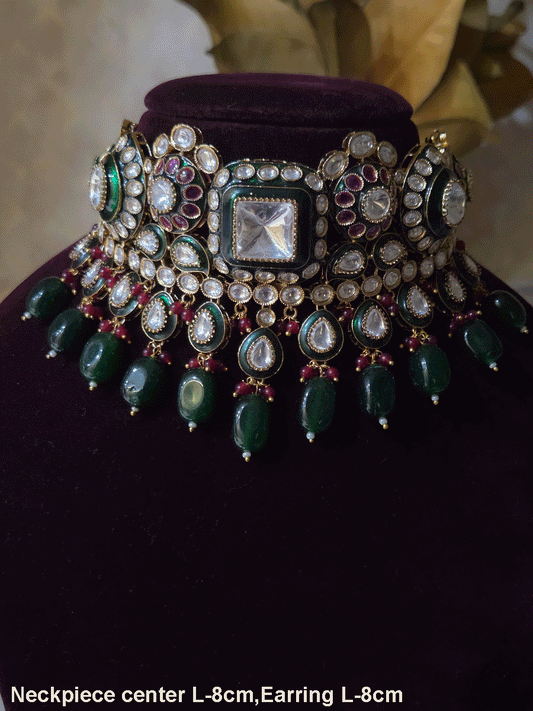
Square center uncut polki green enamel work set with tear shaped green drop tukdies
Regular price Rs. 12,000Regular price






















Four traditions, one collection
Kundan work began in the Mughal courts and was refined in Rajasthan into one of the world's most intricate setting techniques: each gemstone is held by pure gold foil pressed around it by hand, with no claws or prongs. The result is a flat, luminous surface where the stones appear to float. Odara's Kundan chokers and broad bridal sets come from Jaipur workshops still working this way.
Polki is Kundan's close cousin, using uncut natural stones rather than faceted ones. The look is softer and warmer — less sparkle, more glow.
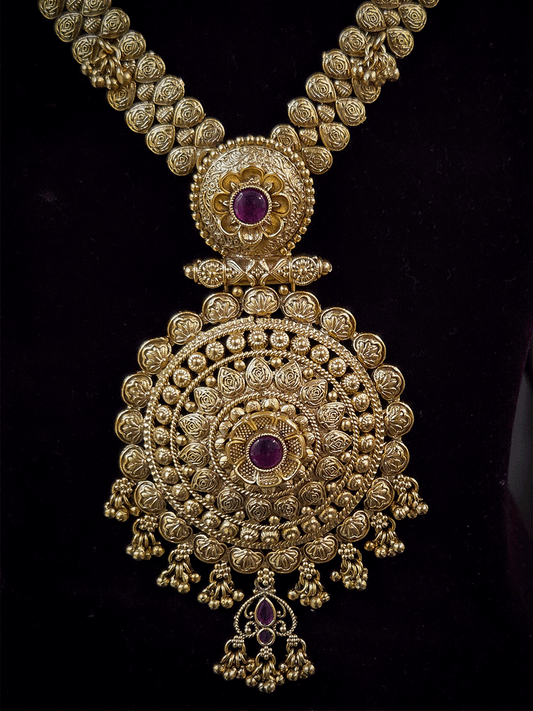
Temple jewellery follows a different lineage entirely. Originating in Tamil Nadu to adorn temple deities and later Bharatanatyam dancers, it is gold-toned, deeply embossed, and built around motifs of Lakshmi, Ganesha, peacocks and paisley. The deep red and green stones set into it are kemp. Odara's Laxmiji and Ganpatiji motif chokers sit in this tradition and are consistently among the collection's best sellers.
Meenakari is enamel work — the green, white and blue colour you'll see on the reverse of a Jaipur piece, or worked into the front of a tear-drop tukdi.
Choosing a length
A choker sits at the base of the neck and needs an open or wide neckline to work. It is the most photographed bridal shape and the most demanding one — it draws every eye to the collarbone.
A hasli is a rigid torque-style neckpiece with folk and tribal roots. It sits close, holds its shape, and works well against handloom and plain fabric.
Long necklaces, including matar-bead and rani haar styles, fall to the sternum or below and layer over a choker for a full bridal look. Sets that are designed to be layered are photographed that way on the product page.
If you are buying for a saree, remember the blouse neckline governs the choice more than the saree does. For kurtas and co-ords, a single long piece usually beats a layered set.
Buying a set versus a single piece
Most listings here are sets — neckpiece with matching earrings, and sometimes a maangtika. Buying as a set guarantees the gold tone and stone colour match, which is harder than it sounds: two gold-plated pieces from different production runs can read visibly different under photography lighting. If you are building a look across separate purchases, buy the neckpiece first and match the earrings to it, never the reverse.
Care and storage
Store neckpieces flat rather than hanging — the weight of a broad Kundan choker will stress its stringing over time. Keep each piece in its own pouch. Avoid contact with water, perfume and hair product; put jewellery on after dressing and take it off before removing makeup. Wipe with a dry soft cloth only, never a liquid cleaner, which will lift Kundan foil and dull meenakari enamel.
Common questions
Do neckpieces come with earrings? Most do. The product title and images show what is included — if earrings are part of the set, they appear in the photographs.
Is the length adjustable? Nearly all pieces use a dori (thread) tie-back or an extension chain, so the fit adjusts across several inches. Rigid hasli styles are the exception.
What suits a bride versus a guest? Brides tend toward broad layered Kundan or temple sets in the ₹8,000–₹16,000 range. Guests and bridesmaids are better served by a single statement choker or long piece — the Wedding Collection covers both.