
-
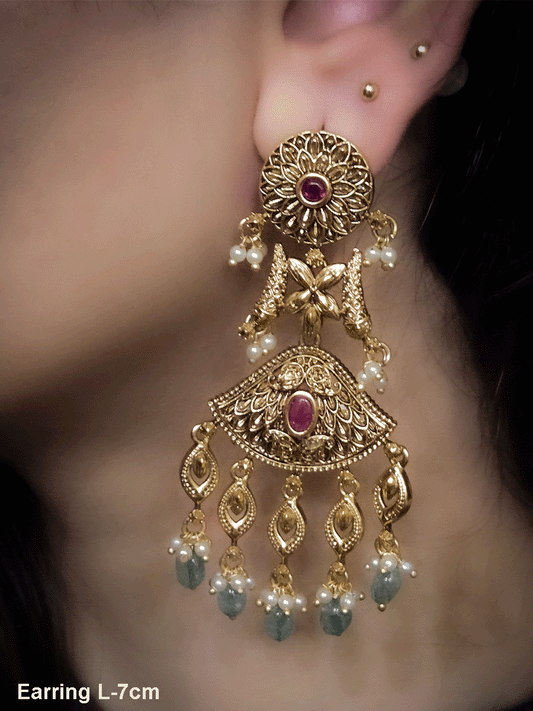
Paisley design top intricate carving earrings with coloured beads drops
Regular price Rs. 2,000Regular price -
Self design antique finish 7 cm long kundan earrings
Regular price Rs. 2,200Regular price -
Peacock design jadau karnphool(earcuff) with white bead cluster lace
Regular price Rs. 3,500Regular price -
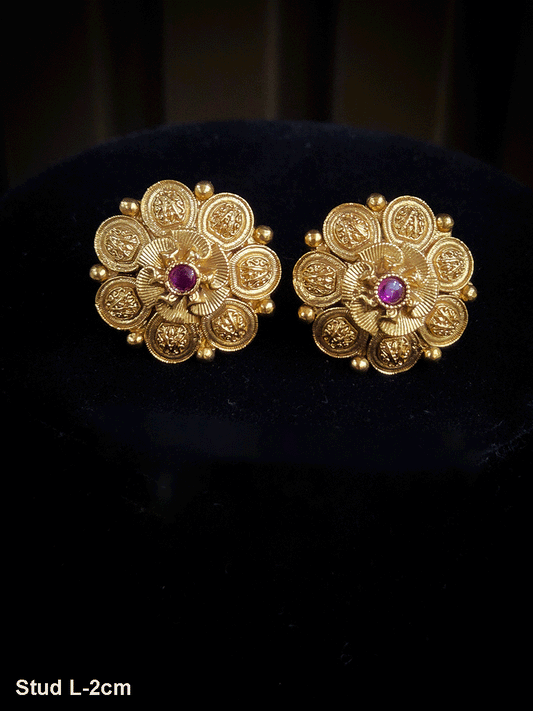
Ruby center stone with flower design center studs
Regular price Rs. 900Regular price -
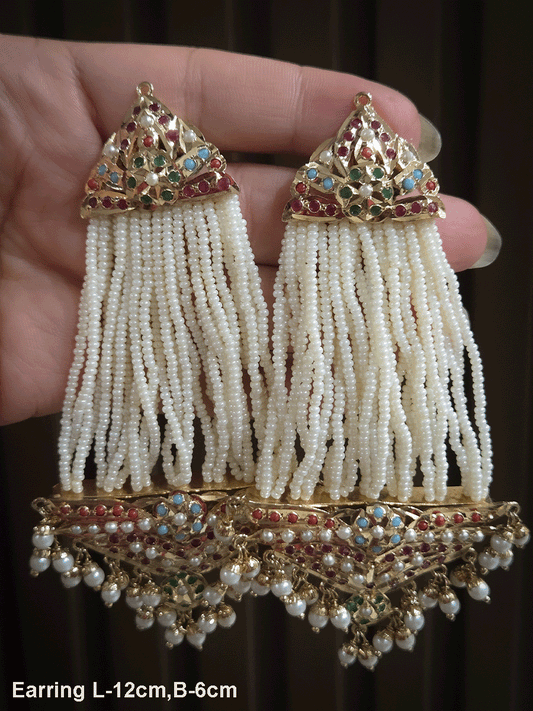
Jadau long passa design earrings with cheed strings
Regular price Rs. 3,800Regular price -
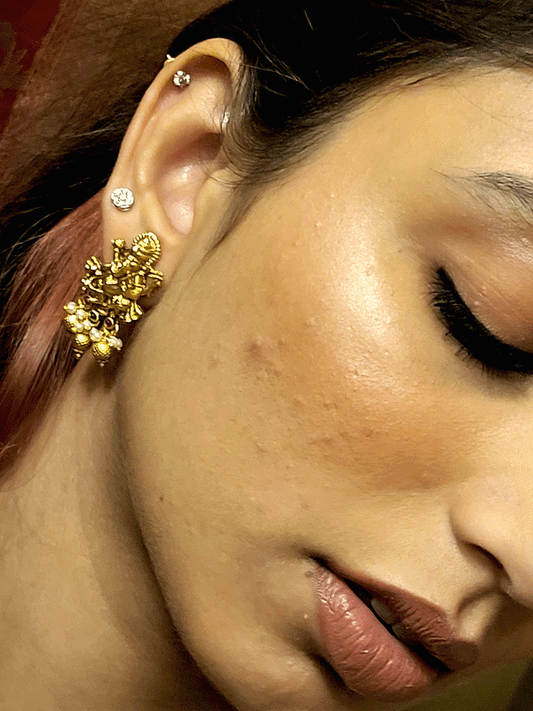
Ganpatiji motif in leaf shaped self design studs
Regular price Rs. 1,200Regular price -
Self design with center gold bead flower shaped studs
Regular price Rs. 1,000Regular price -
Tear drop shape top part with flower design domb jhoomki
Regular price Rs. 2,000Regular price -
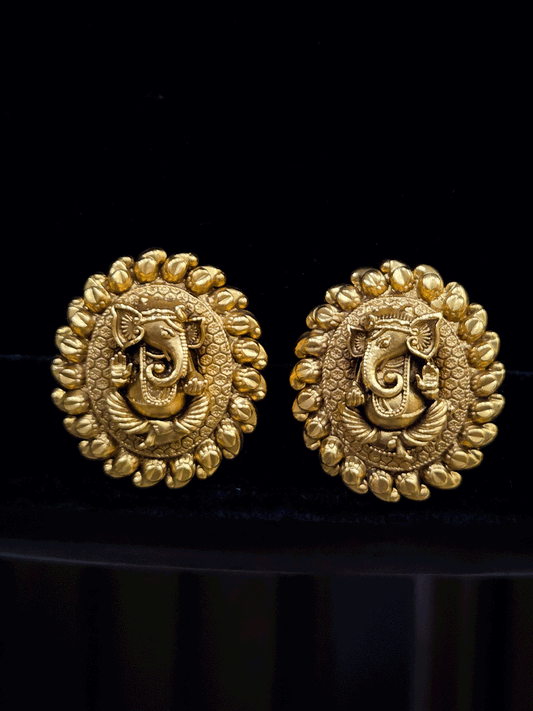
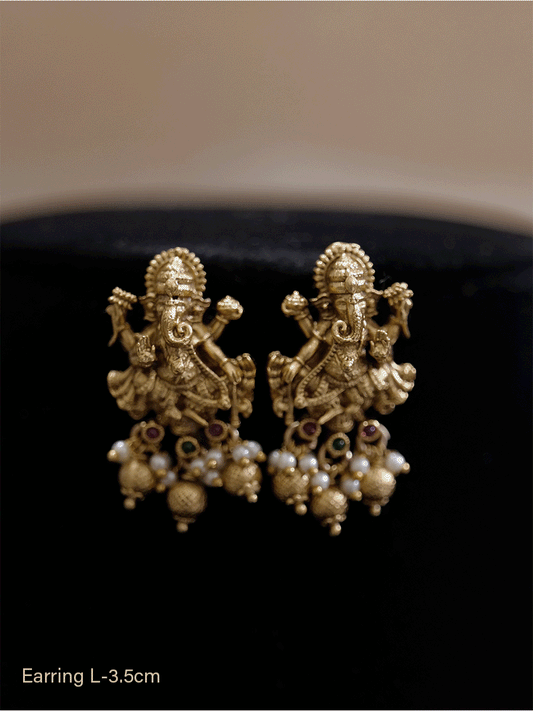
Oval ganpatiji studs with paisley design lace(L-3cm)
Regular price Rs. 1,500Regular price -
Kundan studded in paisley design earcuffs with jhoomki
Regular price Rs. 2,800Regular price -
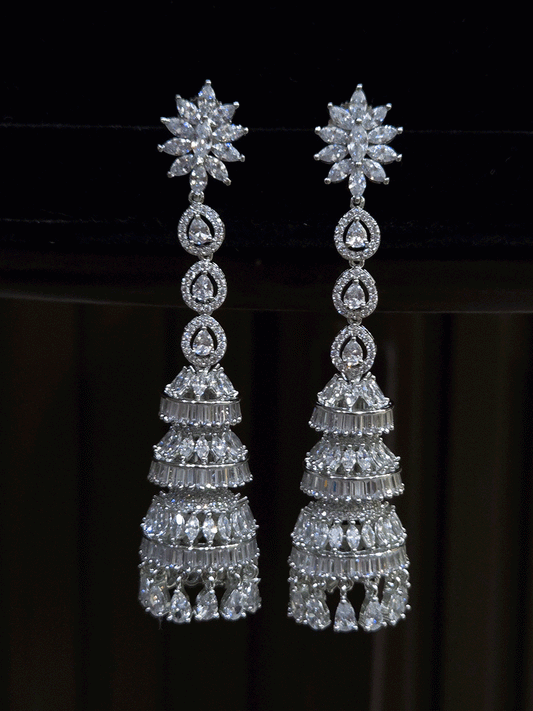
Silver finish triple layer AD jhoomki earrings with three tear drop white stones top(8cm long)
Regular price Rs. 3,200Regular price -
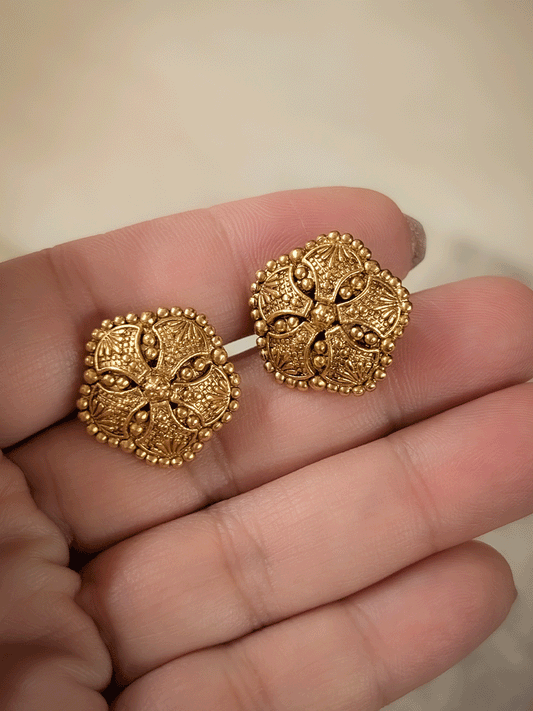
Self flower design 2cm broad studs
Regular price Rs. 900Regular price -
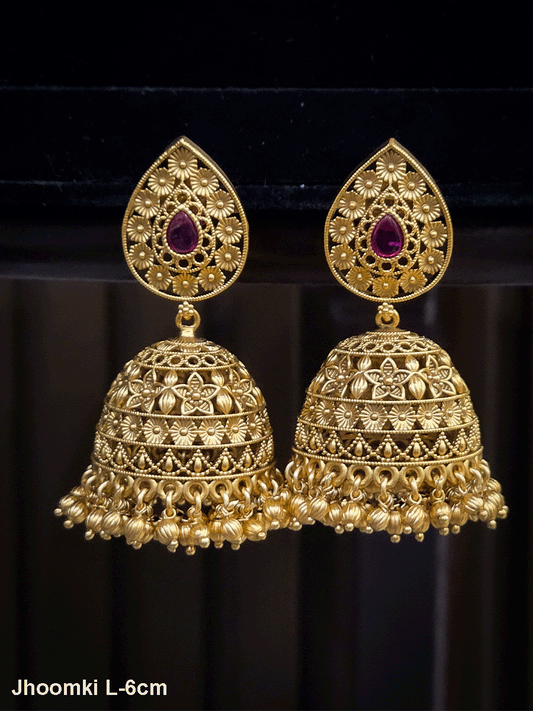
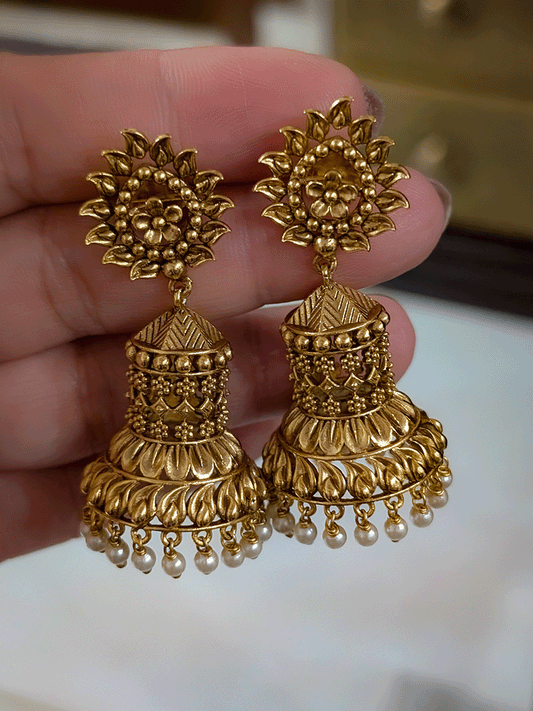
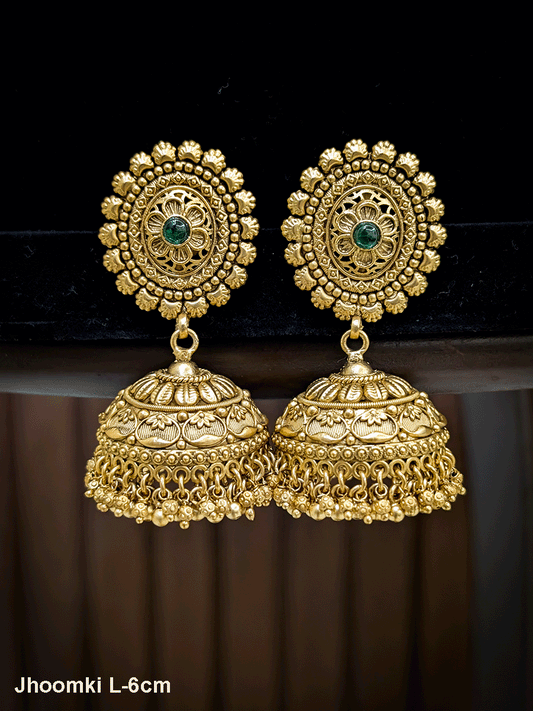
Flower in leaf shaped top traditional design jhoomki(L-6cm)
Regular price Rs. 2,000Regular price -
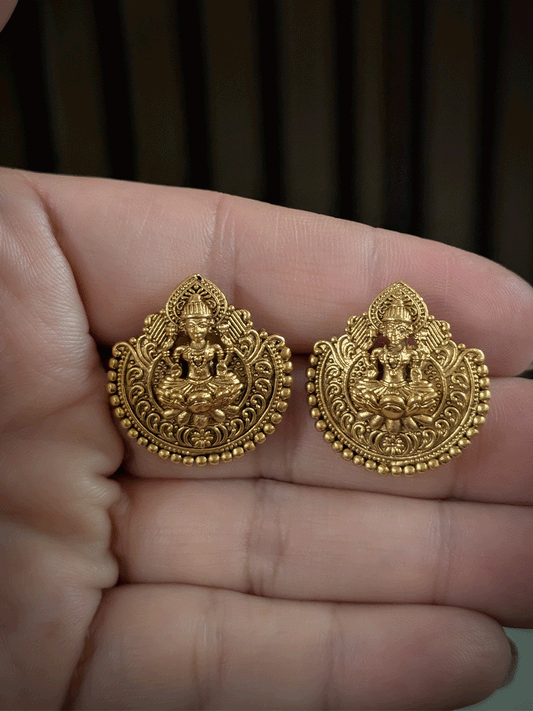
Semi circular design laxmiji studs(l-2.5cm)
Regular price Rs. 1,400Regular price -
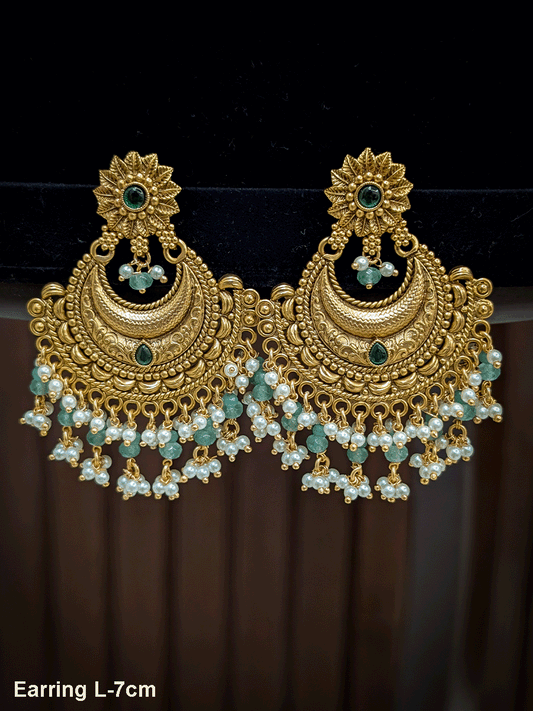
Flower top Chandbali design gold plated earrings with hanging pearly frill
Regular price Rs. 2,000Regular price -
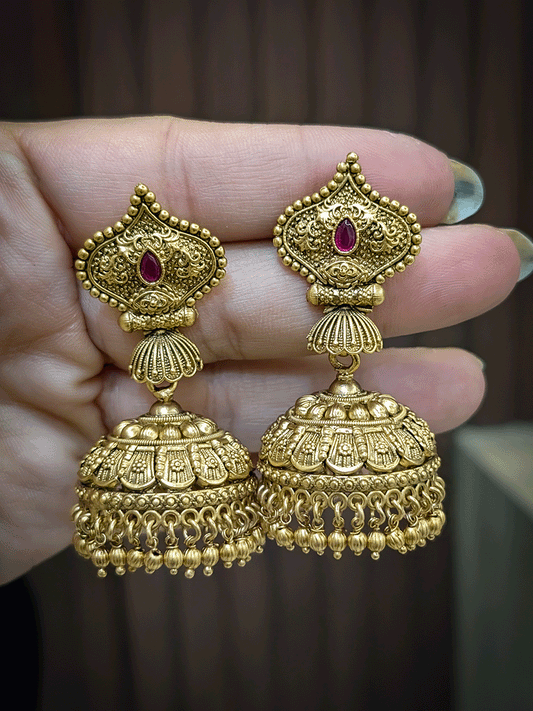
Traditional top design with tear drop stone in center jhoomkies
Regular price Rs. 2,100Regular price -
Oval top with flower center design traditional jhoomkies
Regular price Rs. 2,100Regular price -
Ganpatiji design earrings with different colour drops
Regular price Rs. 1,500Regular price -
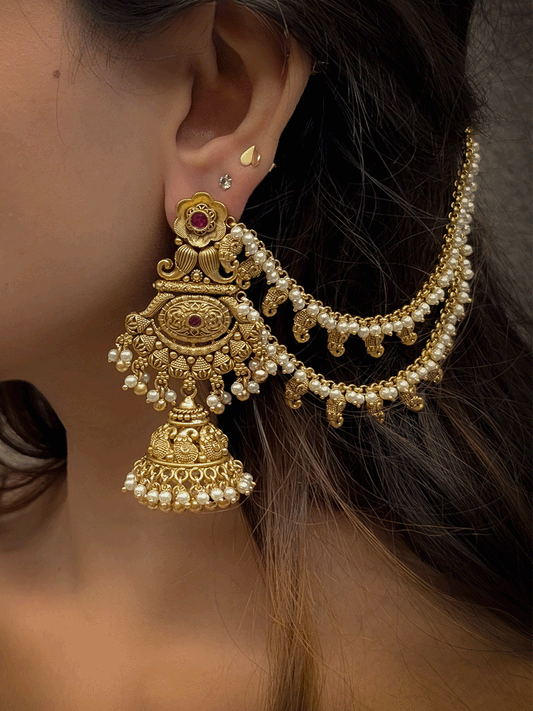
Flower and paisley top design self design jhoomki with paisley design earchains(Jhoomki L-8cm)
Regular price Rs. 4,500Regular price -
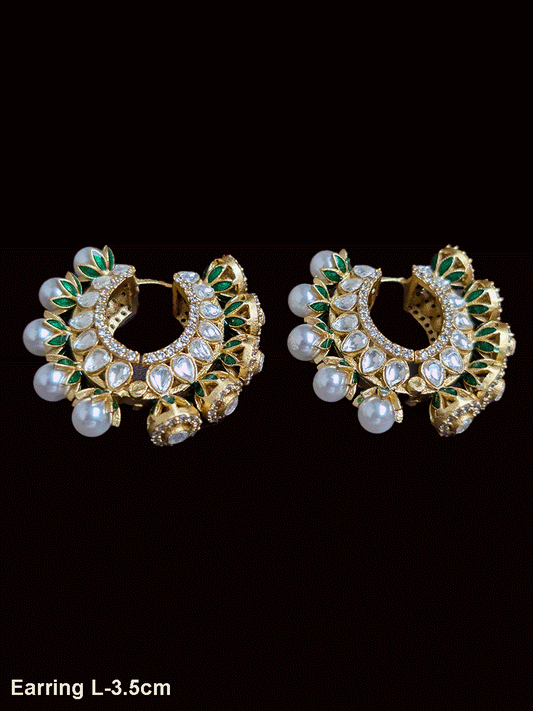
Kundan design on one side and pearl on another classy earrings with side kundan detailing(3.5cm)
Regular price Rs. 2,400Regular price -
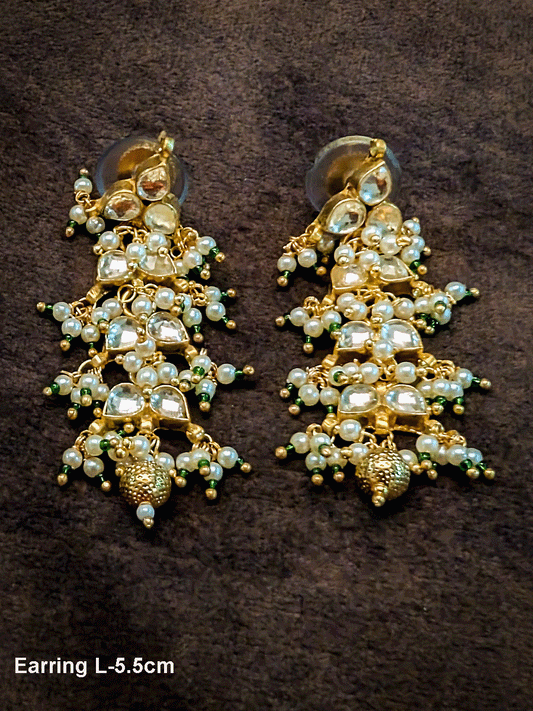
Kundan leaf design earring with green bead detailing(5.5cm long)
Regular price Rs. 1,800Regular price -
Circular dual finish 4cm ghunghru hanging earrings with kundan in coloured stones center
Regular price Rs. 1,200Regular price -
Leaf shaped top with kundan on stone dual finish ghunghru hanging earring(L-10cm)
Regular price Rs. 2,800Regular price -
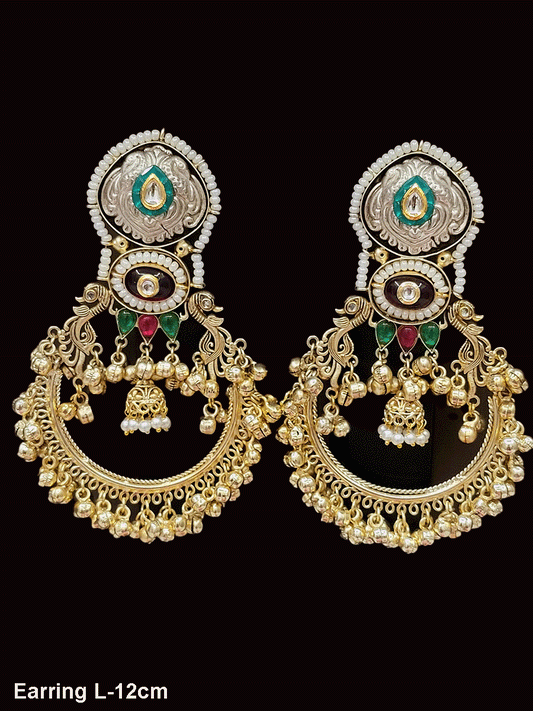
12cm long dual polish kundan and coloured stones pirohi work chandbali earrings
Regular price Rs. 2,800Regular price





















What makes an earring "ethnic"
The word covers a lot of ground, so it helps to be specific. In this collection it means earrings built on the setting traditions of the subcontinent rather than on Western jewellery convention — Kundan foil-setting from Rajasthan, kemp-stone temple work from Tamil Nadu, paachi kundan from the Deccan, and the meenakari enamel that often finishes the reverse of a Jaipur piece.
Practically, that means motifs drawn from a shared visual language: peacocks, paisley, lotus and leaf forms, deity figures, ghunghru bells and pearl frills. It also means a certain weight and presence — ethnic earrings are designed to be seen from across a room.
Matching them to what you're wearing
Silk carries ethnic earrings best, because the fabric has enough visual weight to hold its own. A saree with a busy pallu wants a cleaner earring; a plain silk wants the elaborate one. With a lehenga, the earring usually competes with a neckpiece and a maangtika, so it should be the piece you choose last, not first.
Against cotton, khadi and handloom, gold-plated ethnic earrings can read slightly formal. If that's your usual wardrobe, the German Silver and Silver Elegance collections sit more naturally.
Weight, and how long you plan to wear them
This is the single most useful thing to check before ordering. Broad jhumkas and layered chandbalis carry real weight, and an eight-hour wedding is a different proposition from a two-hour reception. Odara lists dimensions on each product page. If a pair is on the heavier end and the day is long, look for a design with a saahara or kaanchain — the supporting chain that hooks into the hair and takes load off the earlobe. Those are stocked in the Assorted Jewellery collection.
Care
Gold plating over brass wears through contact, not age. Put earrings on after perfume and hairspray have dried, wipe them with a dry soft cloth after each wear, and store each pair in its own pouch. Humidity is the quiet enemy, so keep them out of the bathroom.
Common questions
What is the difference between Kundan and polki? Kundan describes the setting — stones held by hand-pressed gold foil rather than claws. Polki refers to the stone itself: uncut and unfaceted, so it glows rather than sparkles. Many pieces are both.
Are these real gold? No. These are gold-plated over a brass base, which is what puts hand-set Kundan work within reach at these prices. Sterling silver options are in Silver Elegance.
Which pair suits a wedding I'm attending as a guest? A mid-size jhumka or chandbali, worn with a simple neck. Save the broad layered pieces for when you are in the wedding party.