

-
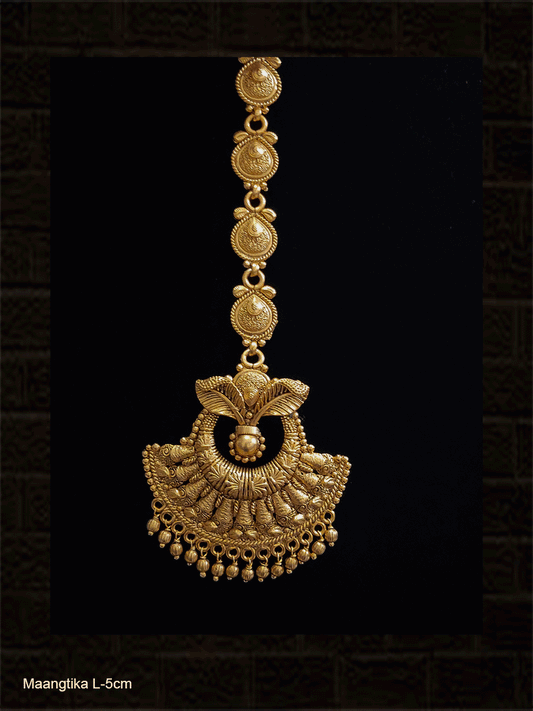
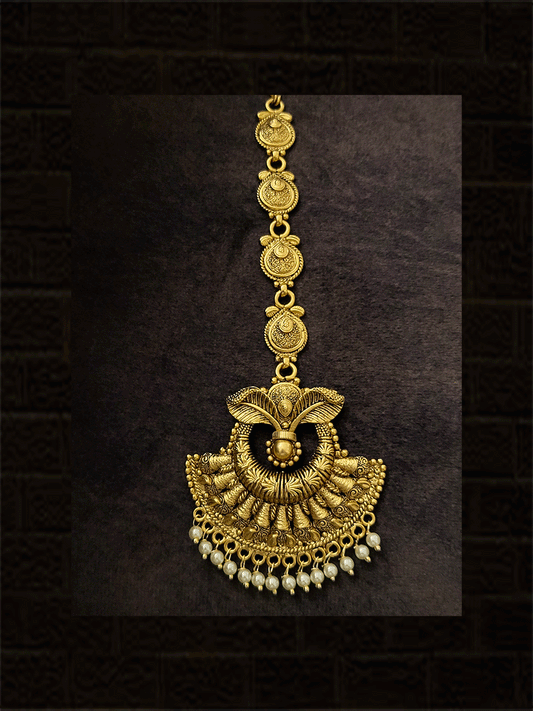
Leaf chain with leaf top design gold finish maangtika
Regular price Rs. 1,400Regular price -
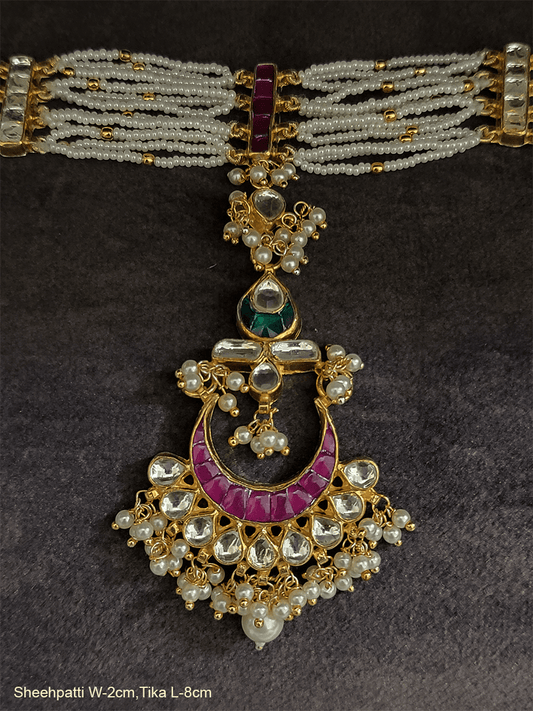
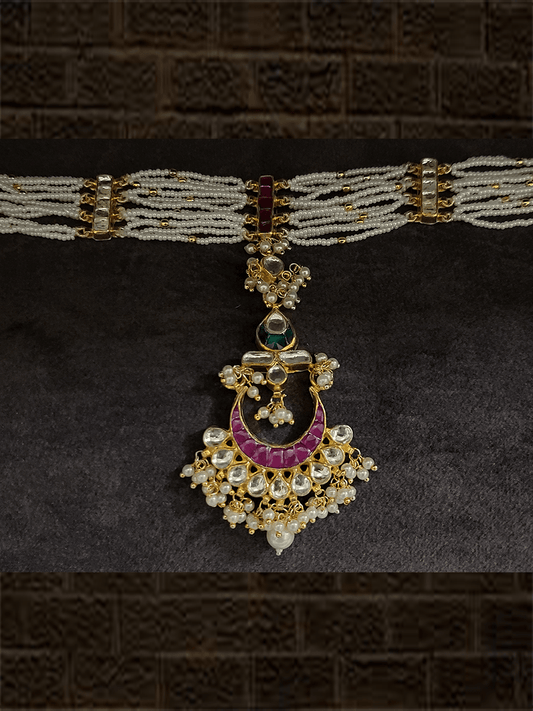
Ruby,green and kundan sheeshphool with rectangular kundan connectors
Regular price Rs. 3,000Regular price -
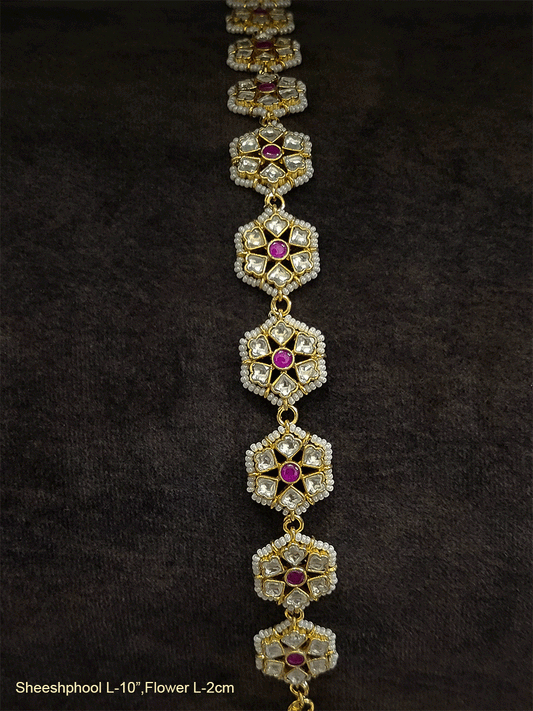
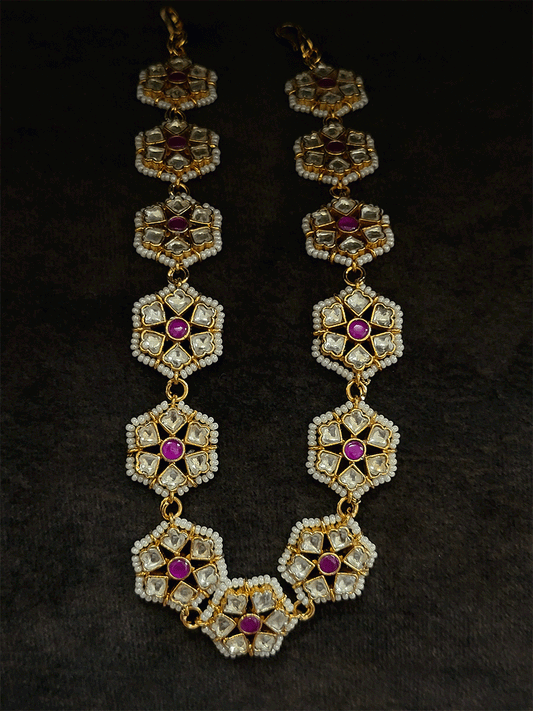
Flower design paachi kundan sheeshphool
Regular price Rs. 4,200Regular price -
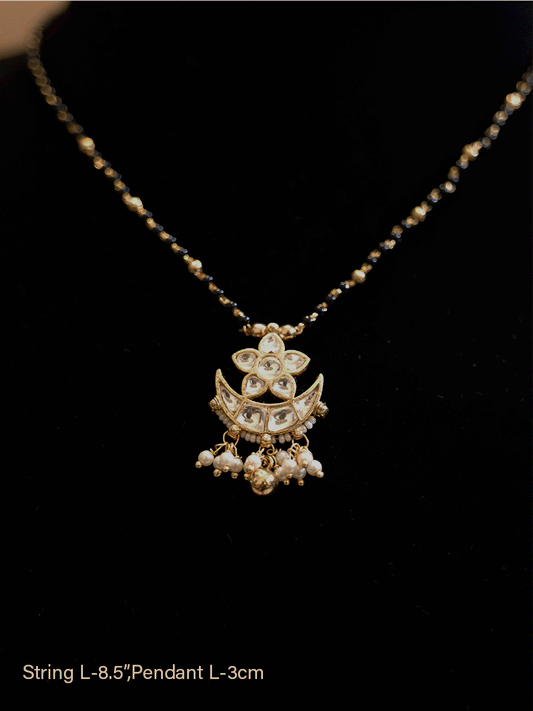
Flower and half moon design paachi kundan mangalsutra
Regular price Rs. 1,200Regular price -
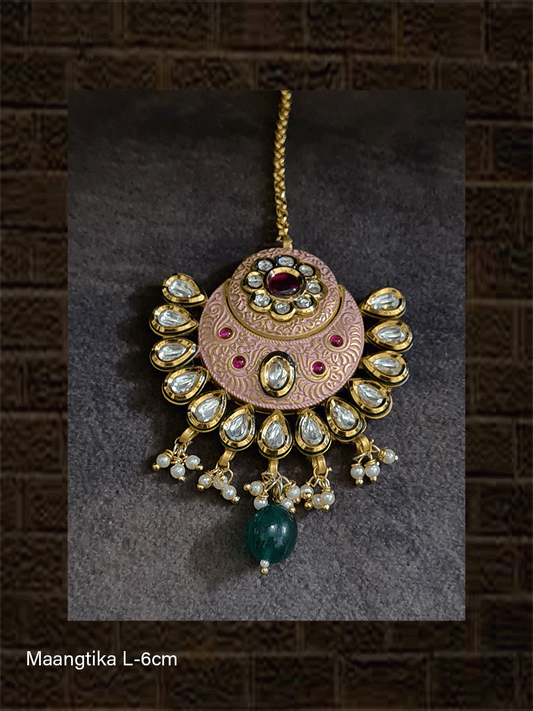
Pink enamel with green drop kundan maangtika
Regular price Rs. 1,800Regular price -
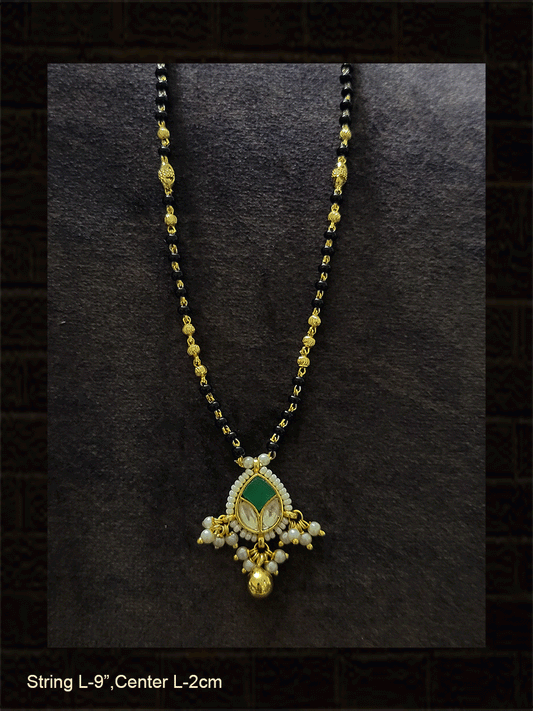
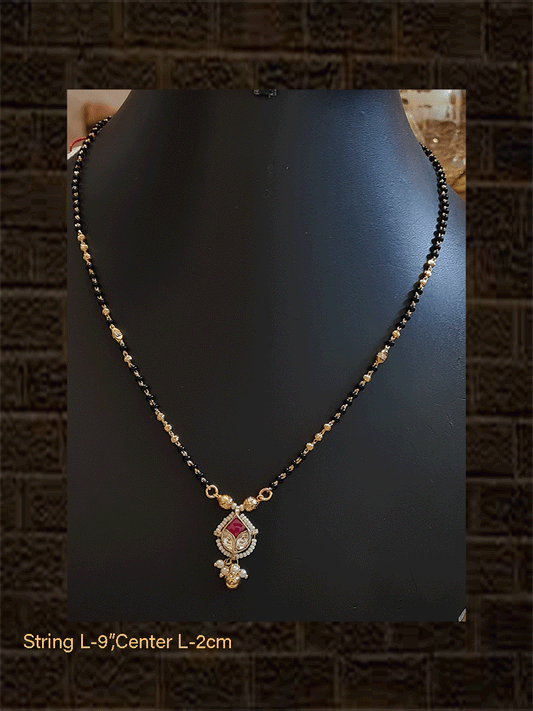
Leaf design pirohi work paachi kundan mangalsutra
Regular price Rs. 850Regular price

A short guide to what these are
Maangtika sits on the hair parting with a hook anchored in the hair. A borla is the round Rajasthani variant — a domed ball rather than a flat pendant.
Mathapatti extends across the forehead from the parting, usually with chains running to the temples. It is the more elaborate choice and generally worn instead of a maangtika, not with one.
Sheeshphool sits at the back of the head over the bun or braid. Odara's are typically paachi Kundan with pearl strings, 2–3cm broad.
Nath is the nose ring, and nosepin the stud. Nath styles vary widely by region and community, from a small hoop to a broad ring with a supporting chain hooked into the hair.
Ear chains — also called kaanchain — run from the earring up to the hair. They take weight off the earlobe, which is what makes a heavy bridal jhumka wearable for a full day.
Hathphool connects a ring to a bracelet across the back of the hand. Kamarbandh or waistbelt sits at the saree or lehenga waist.
How many to wear
The honest answer is fewer than you think. A traditional bridal look might carry maangtika, nath, ear chains and kamarbandh together, and that is appropriate because everything else — the lehenga, the makeup, the setting — is scaled to match.
For a guest, one of these pieces alongside earrings and a neckpiece is usually the right amount. A maangtika alone transforms a simple look. A maangtika plus mathapatti plus nath plus hathphool, worn to someone else's wedding, does something different.
Fitting the ones that need it
Maangtika, mathapatti and sheeshphool all anchor into the hair, so they need hair that can hold a pin — a bun, a braid, or at minimum pinned sections. They are difficult to secure in freshly washed, loose hair.
Nath sizes are stated on the product page. If you do not have a pierced nose, clip-on and pressure-fit styles exist and are noted as such.
Ear chains need a hairstyle that hides the hook end — usually an updo.
Care
These are among the most delicate pieces Odara sells, with fine chains and pearl strings that tangle easily. Store each flat in its own pouch. Never pull a maangtika or mathapatti off by the chain — release the hair anchor first. Keep pearls away from perfume and hairspray, which both dull them permanently.
Common questions
Will a maangtika match my neckpiece? Only if bought as a set. Gold plating varies between production runs — buy the neckpiece first and match to it.
Do I need a pierced nose for a nath? Not always — non-pierced styles are stated on the product page.
Which pieces suit a bride? Maangtika or mathapatti, nath, ear chains and kamarbandh. See the Wedding Collection for full sets.