

-
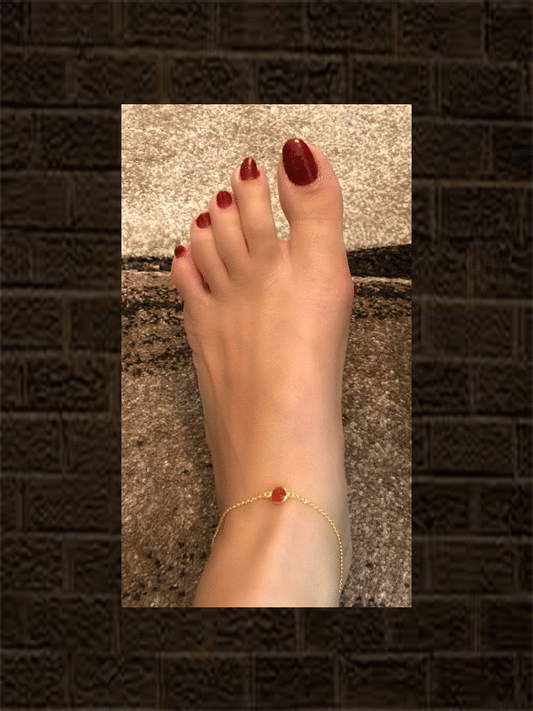
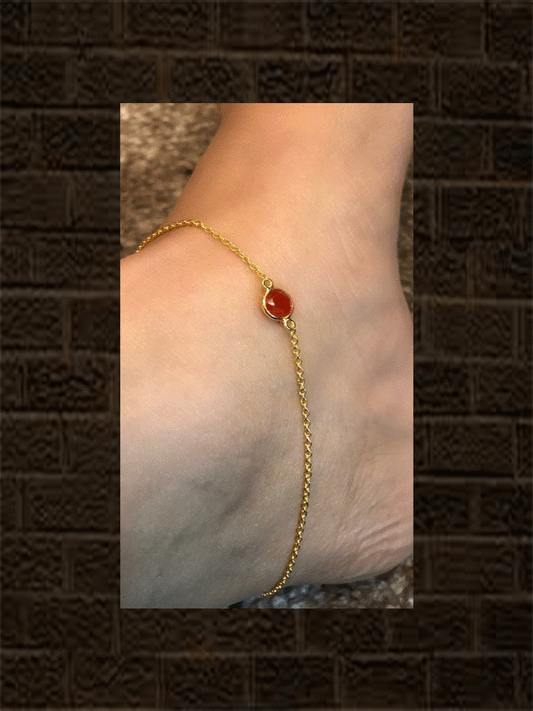
Sterling silver anklet with red onyx stone(single)
Regular price Rs. 2,000Regular price -
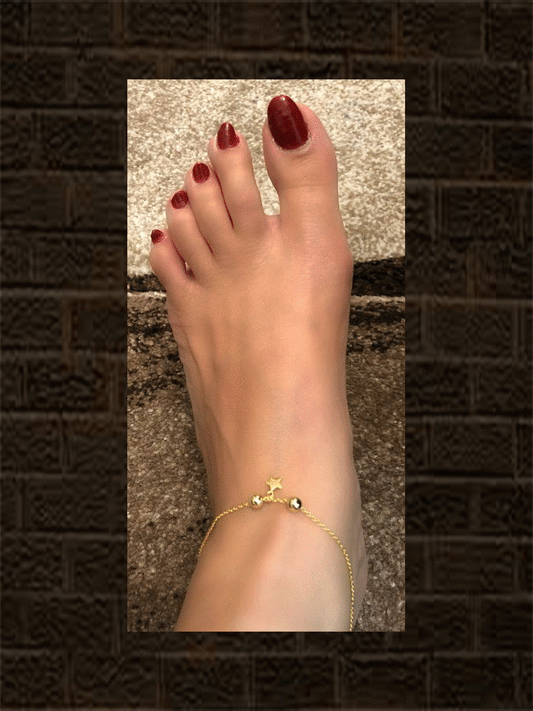
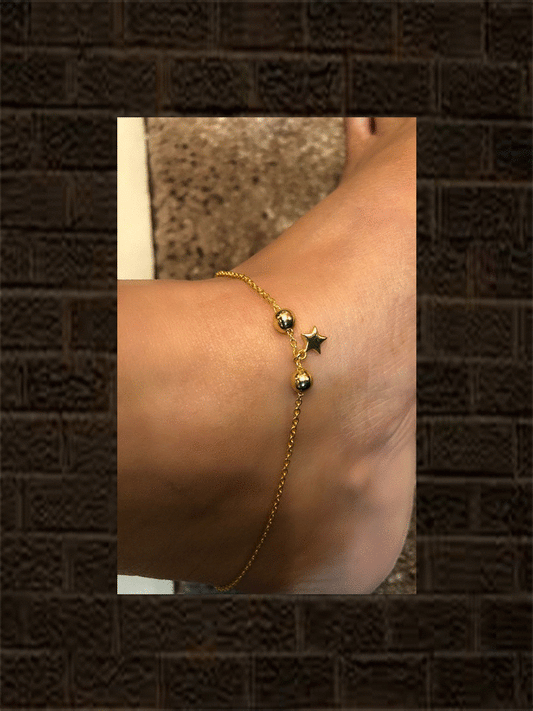
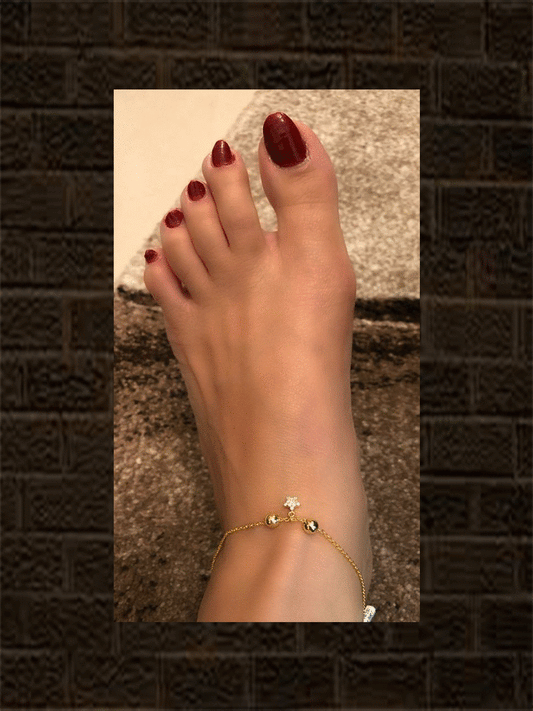
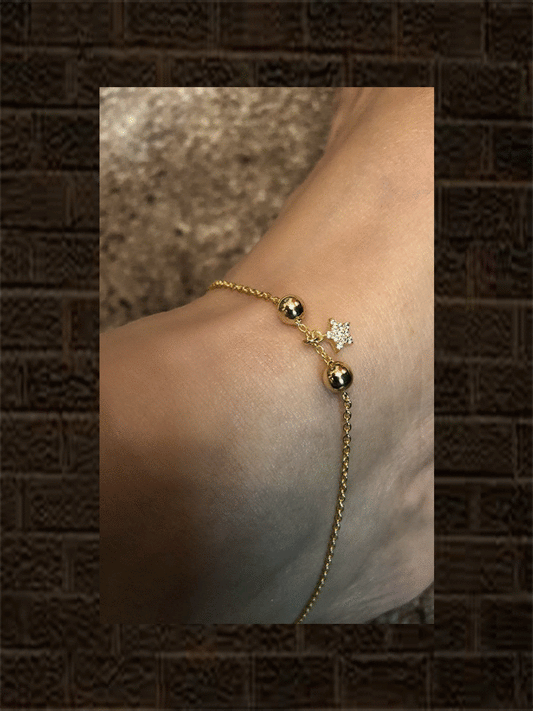
Sterling silver anklet with two gold beads and hanging star charm (single)
Regular price Rs. 2,000Regular price -
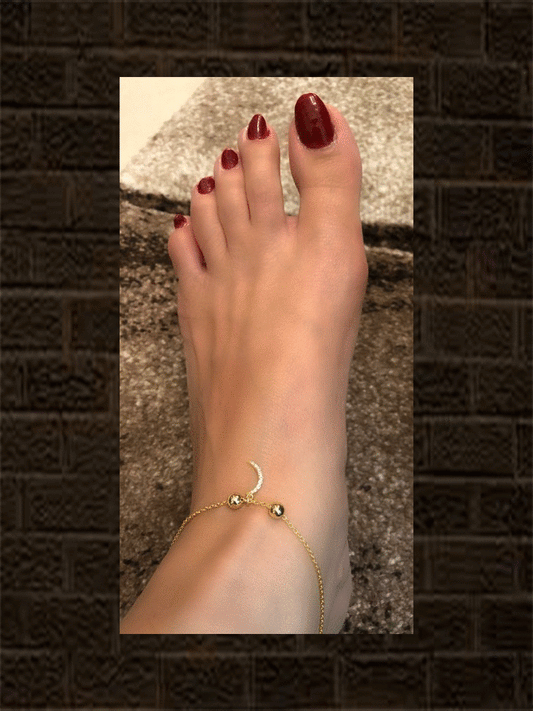
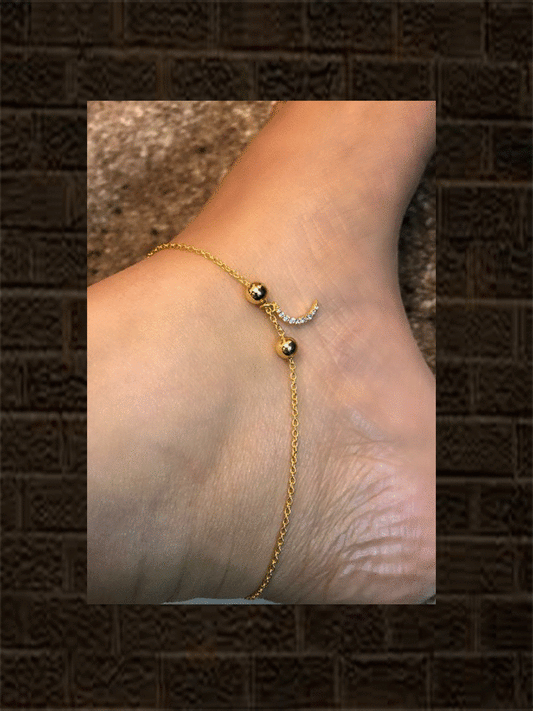
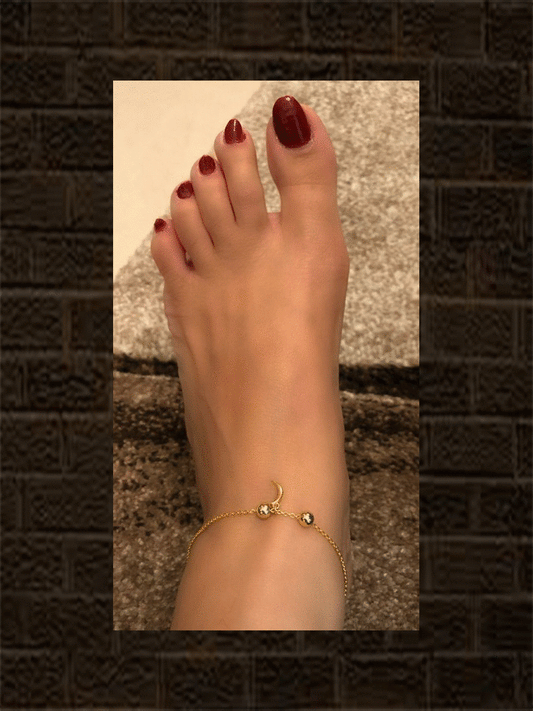
Sterling silver anklet with two gold beads and hanging half moon charm with studded zircon(single)
Regular price Rs. 2,000Regular price -
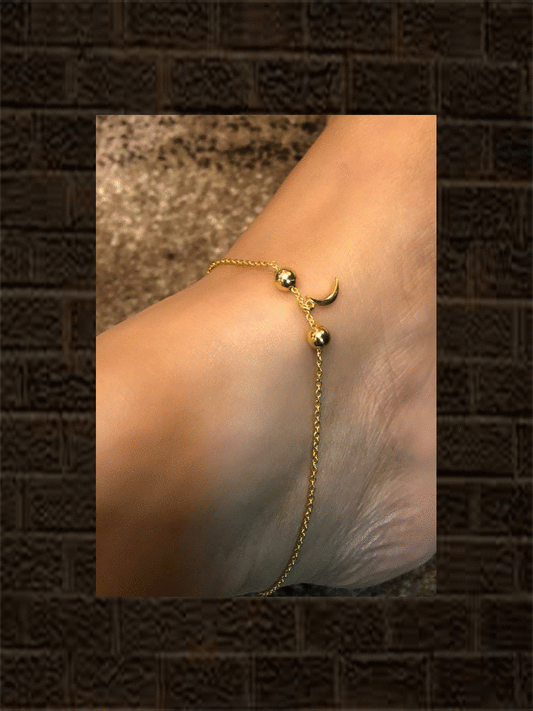
Sterling silver anklet with two gold beads and hanging half moon charm (single)
Regular price Rs. 2,000Regular price -
Sterling silver anklet with two gold beads and hanging star charm with studded zircon(single)
Regular price Rs. 2,000Regular price -
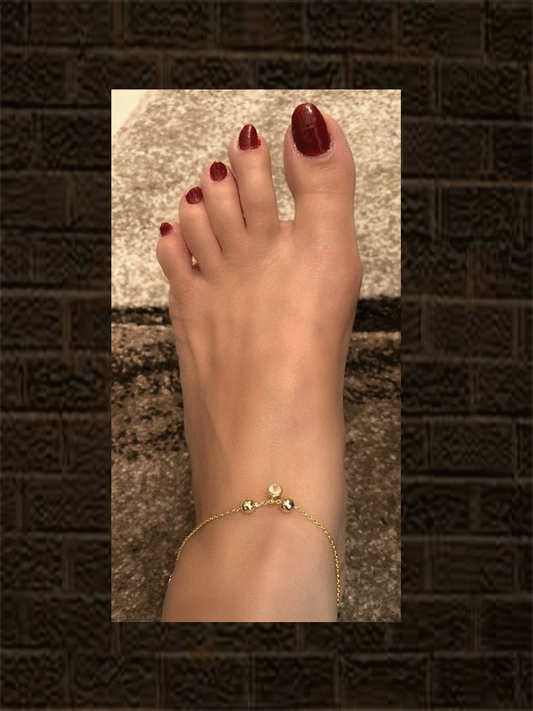
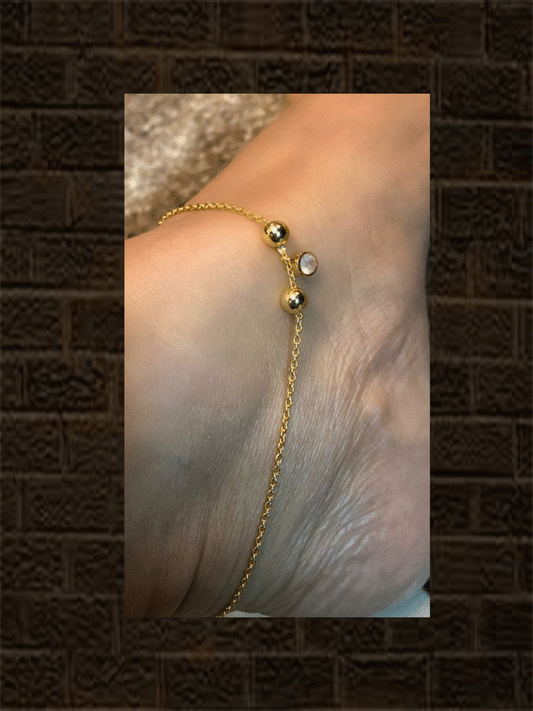
Sterling silver anklet with two gold beads and a rose chalcedony cut hanging charm(single)
Regular price Rs. 2,000Regular price -
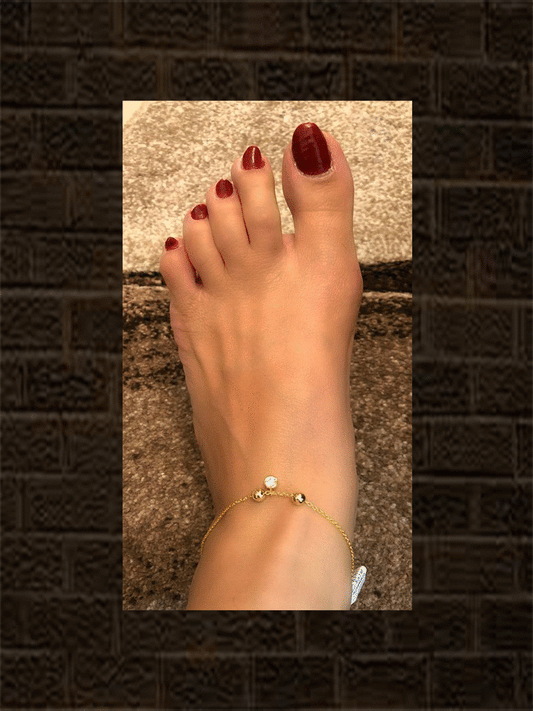
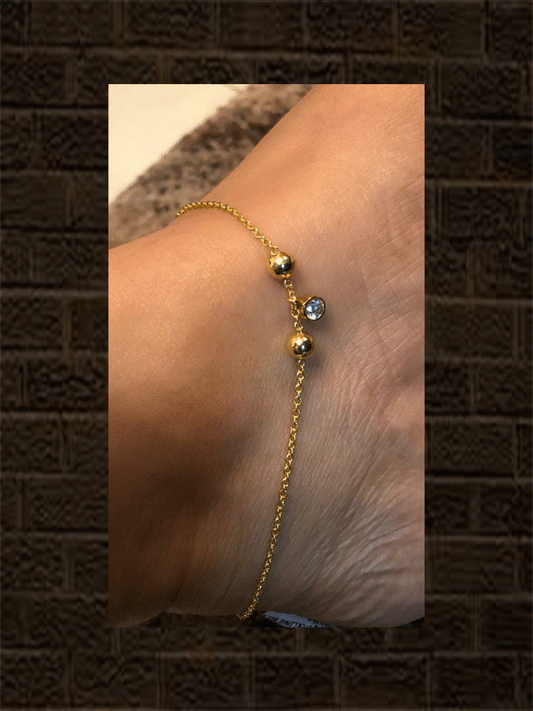
Sterling silver anklet with two gold beads and a cubic zirconia cut hanging charm(single)
Regular price Rs. 2,000Regular price -
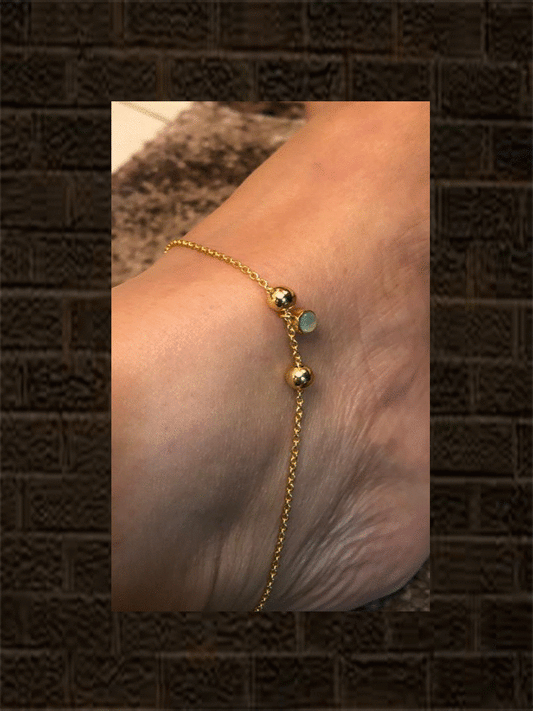
Sterling silver anklet with two gold beads and an aqua chalcedony cut hanging charm(single)
Regular price Rs. 2,000Regular price -
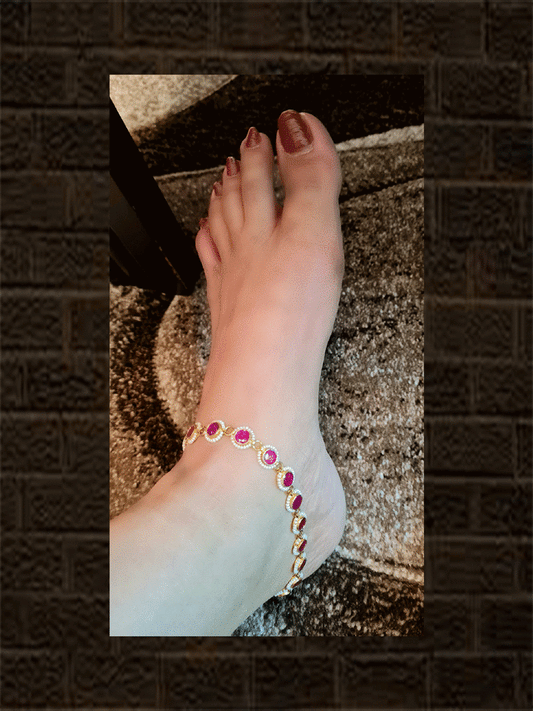
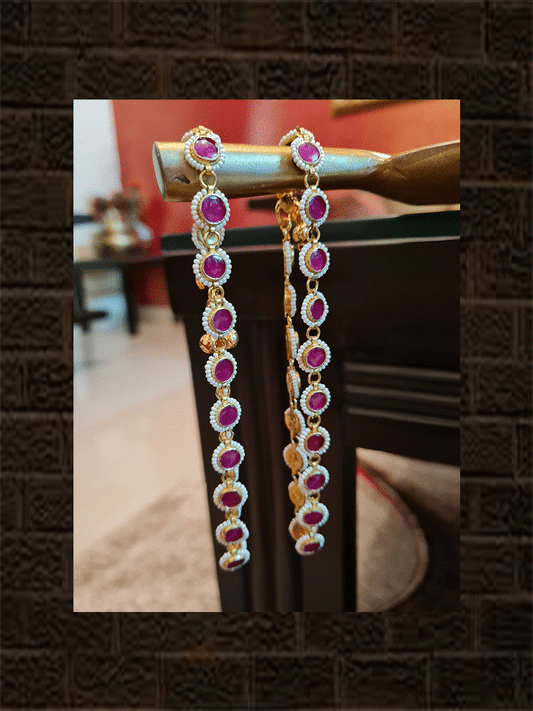
Round ruby with pirohi work anklets
Regular price Rs. 2,500Regular price -
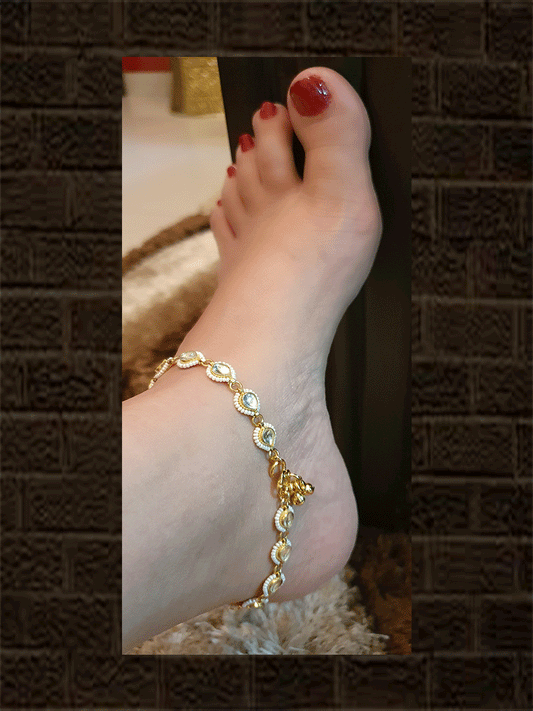
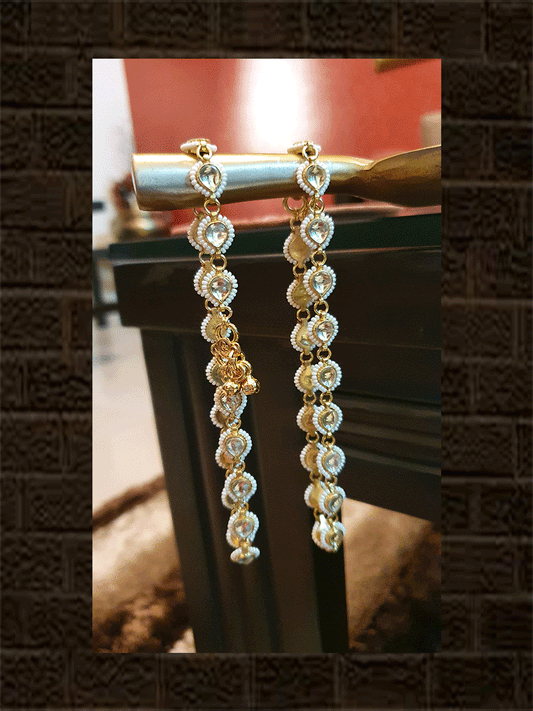
Leaf kundan tukdi with pirohi anklet pair
Regular price Rs. 1,800Regular price

The designs, and where they come from
Chain anklets are the everyday form — a fine chain carrying small hanging tukdies, gold beads or ghunghru. They sit lightly, move well, and are the easiest to wear under trousers or with a saree.
Kundan doli anklets carry the same foil-set stone work found in Odara's neckpieces, scaled down. The doli motif is traditional to Rajasthani payal work.
Elephant and shell motifs are drawn from folk traditions where the animal carries meaning — prosperity, memory, good fortune — rather than being pure decoration.
Ghunghru anklets are the ones you hear before you see. The small bells are the reason the payal has its particular place in Indian poetry and dance, and a fuller ghunghru row makes more sound than a sparse one.
Wearing them
One anklet or two is entirely personal — both are traditional, and in some communities a pair is customary while in others a single is. Neither is wrong.
Anklets read best with clothing that lets them show: a saree, a lehenga, cropped trousers, a summer dress, or bare feet at home. A heavy payal under a full-length churidar is mostly heard rather than seen, which is a legitimate reason to buy one but worth deciding deliberately.
If you are wearing a ghunghru design somewhere quiet — an office, a formal dinner — the sound carries more than you expect. The chain-and-tukdi designs are the discreet option.
Fit and fastening
Most designs use an extension chain so the fit adjusts across several centimetres. An anklet should sit loose enough to move against the ankle rather than grip it — a payal that stays perfectly still is too tight and will chafe over a long day.
Care
Anklets take more physical wear than any other piece, simply because of where they sit — they knock against furniture, catch on hems and collect dust. Take them off before exercising or sleeping. Wipe with a dry soft cloth after wear, and store flat so the chain does not tangle. Ghunghru bells collect grit; a soft dry brush clears them without water.
Common questions
Are these sold as a pair? Check the product title — pieces sold singly are described that way. Most chain designs are sold as pairs.
Will they fit my ankle? Nearly all use an adjustable extension chain. Where a fixed length applies, it is stated on the product page.
Are they silver? Some designs are silver or silver-finish; most are gold-plated over brass. Sterling silver pieces are in Silver Elegance.